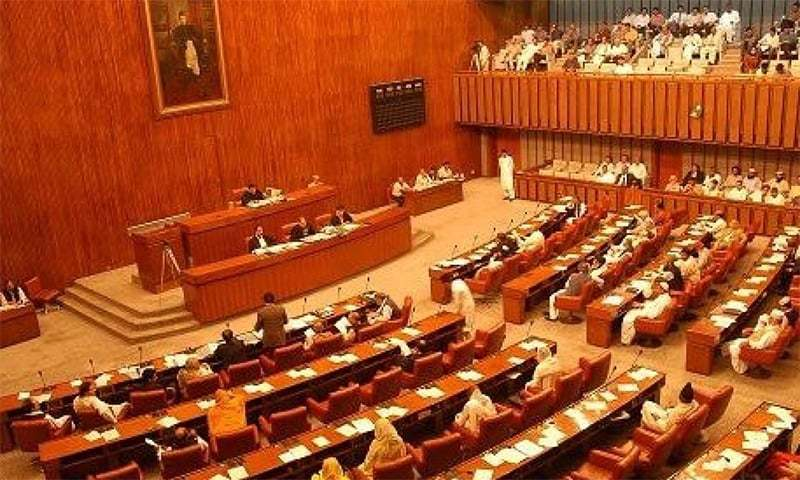
Islamabad, February 6, 2026: In a significant move to reinforce parliamentary supremacy, Pakistan’s Senate on Friday approved an amendment to Rule 166(5) of the Rules of Procedure and Conduct of Business, aimed at limiting judicial interference in parliamentary matters.
The amendment was passed despite the government’s request to defer the motion. Senators from the Pakistan Peoples Party (PPP), Pakistan Muslim League-Nawaz (PML-N), and Muttahida Qaumi Movement (MQM) jointly moved the amendment, with PPP Senator Saleem Mandviwala, who chaired the session, leading the proceedings.
During the session, PML-N’s Rana Sanaullah, special assistant to the prime minister on political affairs, conveyed Law Minister Azam Nazeer Tarar’s request to defer the motion. Mandviwala, however, insisted on proceeding, citing “interference of courts” in the functioning of Senate committees as the reason for urgency. “High courts granted stays on cases and petitions admitted by the chairman… we do not want to delay it any further,” he said.
After brief deliberations, the motion was moved by Senator Abdul Qadir and passed by a majority vote.
Supporters say the amendment will restrict legal avenues for courts to intervene in parliamentary affairs. Key changes include:
- Expanding the definition of public petitions that Senate committees can consider. A petition submitted by a citizen or group under Rule 277 may now be presented on “any matter of public importance,” including disputes with systemic, regulatory, or rights-related implications.
- Committees may issue observations, recommendations for systemic improvements, or facilitative guidance to resolve grievances in accordance with relevant law.
- A new proviso gives the Senate chairman broad discretion to review, admit, pend, dispense with, or decline any petition to protect parliamentary discipline, prevent frivolous proceedings, or ensure propriety.
Previously, Rule 166(5) restricted petitions to matters “connected with the business pending before the House or a committee” or “general public interest,” explicitly excluding issues already under judicial consideration.
The amendment follows a dispute last year over stay orders issued by the Islamabad High Court and Lahore High Court against Senate committee proceedings. On July 25, 2025, the Senate summoned the Attorney General for Pakistan (AGP) after lawmakers expressed concerns over alleged judicial interference. Mandviwala described the stays as “direct interference in the functioning and proceedings of parliamentary committees.”
While AGP Mansoor Usman Awan appeared before the Senate on August 18, 2025, and defended judicial oversight, citing Article 69 of the Constitution, the move to amend the rule had been approved by the Senate Standing Committee on Rules of Procedure and Privileges in December 2025, despite objections from the Ministry of Parliamentary Affairs.
Supporters of the amendment assert that the change ensures Senate committees can function independently and expedites consideration of public grievances without external judicial obstruction.