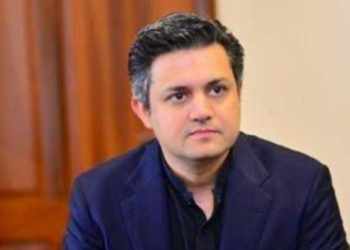
Islamabad, February 15, 2026: Vice Chancellor of the Health Services Academy (HSA), Shahzad Ali Khan, has underscored that pandemics and disease outbreaks most often emerge at the human–animal–environment interface, making an integrated One Health approach critical for Pakistan’s national security.
Addressing participants at the concluding session of a specialized capacity-building training programme, Prof. Dr. Shahzad Ali Khan emphasized that effective outbreak response cannot be achieved in isolation and requires close coordination among human health, livestock, agriculture, and environmental sectors.
The two-day training was organized by the Health Services Academy in collaboration with the Pak One Health Alliance and the National Agricultural Research Council (NARC). Conducted under the project “One Health Workforce Development and Coordination towards Pandemic Readiness,” the initiative aimed to strengthen the livestock and agrifood sectors of the Islamabad Capital Territory (ICT).
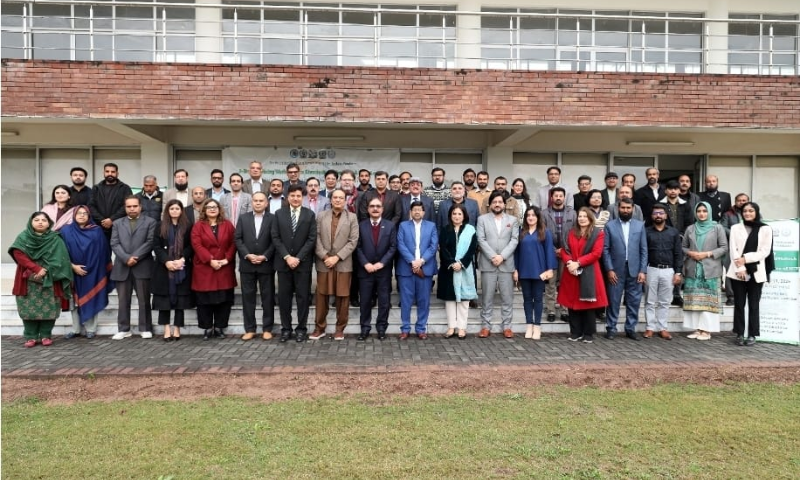
A total of 34 frontline professionals, including veterinary officers, field assistants, and technical staff from the ICT Livestock Department, participated in the training. As the first line of defense against disease outbreaks, these personnel play a crucial role in disease surveillance, vaccination, and reporting. The programme focused on enhancing their capacity to detect and contain zoonotic threats before they escalate into major public health emergencies.
Providing a technical overview, Tariq Mahmood Ali, National Coordinator for the One Health Workforce Development (OHWD) project, noted that nearly 70 percent of emerging infectious diseases in humans originate from animals. He highlighted that HSA has already trained more than 100 professionals from multiple sectors under this framework, helping build a resilient, district-level workforce capable of early warning and rapid response.
The comprehensive curriculum covered infectious disease epidemiology, transmission dynamics, infection prevention and control, risk communication, Rapid Response Team (RRT) operations, emergency planning, and One Health surveillance and epidemic intelligence.
The programme concluded at the NARC Community Hall with interactive group work and practical assessments. Experts from HSA and partner institutions reiterated that sustained investment in multisectoral collaboration is essential to safeguard Pakistan against future epidemics. The 34 newly trained professionals, in turn, pledged to apply integrated One Health strategies to protect public health at the grassroots level.