• About
  • Advertise
  • Privacy & Policy
  • Contact
  • Home
  • World
  • Diplomatic
  • Sports
    • Cricket
  • National
  • Business
  • Crime & Justice
  • Entertainment
  • Lifestyle
  • Environment
    • CPEC
No Result
View All Result
  • Home
  • World
  • Diplomatic
  • Sports
    • Cricket
  • National
  • Business
  • Crime & Justice
  • Entertainment
  • Lifestyle
  • Environment
    • CPEC
No Result
View All Result
No Result
View All Result
Home Education

Education spending in Pakistan rises 72% in five years: PIE report

by Sub News
March 5, 2026
Education spending in Pakistan rises 72% in five years: PIE report
Share on WhatAppShare on XShare on Facebook

Islamabad, March 5, 2026: The Pakistan Institute of Education (PIE), working under the Ministry of Federal Education and Professional Training Pakistan, has released its latest report titled “Public Financing in Education 2025–26,” revealing a 72 percent increase in education expenditure over the past five years while highlighting major disparities in per-student spending across different regions of the country.

According to the report, per-student expenditure varies significantly across administrative units, ranging from PKR 22,332 in Gilgit-Baltistan to PKR 72,124 in institutions administered by the Federal Directorate of Education, reflecting differences in fiscal capacity, governance structures, and administrative arrangements.

The study recommends gradually increasing Pakistan’s education budget to meet the international benchmark of 4–6 percent of GDP, while also introducing gender-responsive, locality-based, and school-level budgeting mechanisms within existing financial systems to enhance transparency and ensure efficient utilization of resources.

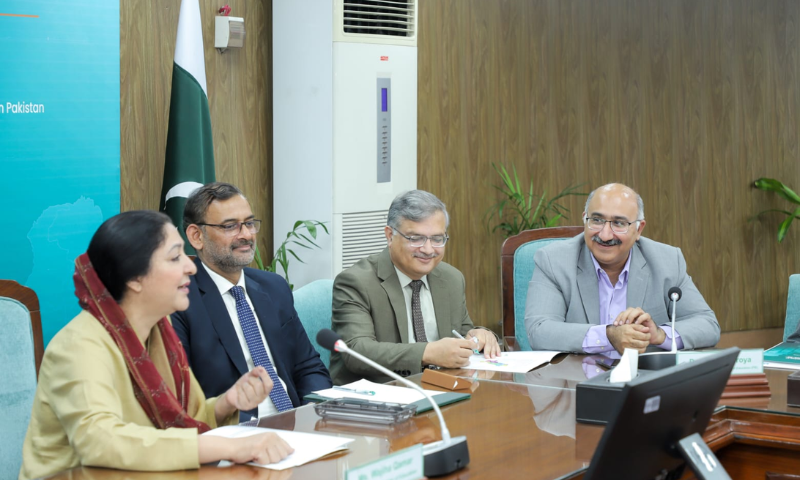
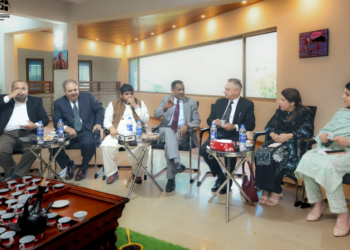
The report was formally launched during a ceremony held at Allama Iqbal Open University in Islamabad on Thursday. The event was attended by policymakers, development partners, and education experts.

The report was prepared by PIE in collaboration with the World Bank and the Foreign, Commonwealth and Development Office (FCDO).

Wajiha Qamar, Minister of State for Federal Education and Professional Training, attended the event as the chief guest. Other participants included Additional Secretary Education Hassan Saqlain, Director General PIE Muhammad Shahid Soroya, and Vice Chancellor of AIOU Nasir Mahmood.

Addressing the ceremony, the minister described the report as a milestone for transparency and data-driven policy planning in Pakistan’s education sector. She noted that its findings would help guide long-term policymaking and support the equitable distribution of educational resources across the country.

Representatives of international development organizations also addressed the gathering, including Salim Salamah from the British High Commission Islamabad, Maliha Hyder of the World Bank, Aurelia Ardito from UNICEF, and Nishat Riaz representing the Malala Fund.

Speakers endorsed the report’s findings and stressed the need to increase education spending as a percentage of GDP, expand non-salary allocations, and implement gender-responsive budgeting while maintaining adequate salary provisions for teachers and staff.

The report notes significant increases in education budgets across provinces between 2019–20 and 2025–26.

Among all regions, the highest percentage increases were recorded in Gilgit-Baltistan (318%) and Sindh (286%). Sindh’s education budget grew dramatically from PKR 169 billion to PKR 654 billion during the period.

Among the larger provinces, Punjab recorded a 122 percent increase, while Khyber Pakhtunkhwa saw its education budget rise by 141 percent. In contrast, federal-level education spending showed the lowest growth at 45 percent.

Despite the increase in overall spending, the report highlights persistent challenges in monitoring how funds reach the country’s 25.37 million out-of-school children, the majority of whom are girls living in rural areas.

It recommends introducing a standardized budget-tagging system and improved financial coding across provinces to strengthen transparency, accountability, and cross-regional comparisons in education financing.

The report concludes that implementing these reforms could help Pakistan optimize public spending, expand educational access, and improve the quality of learning outcomes nationwide.
Tags: “Public Financing in Education 2025–26"Director General PIE Muhammad Shahid SoroyaEducation spendingGilgit-BaltistanIslamabadMinistry of Federal Education and Professional TrainingPakistanPakistan Institute of EducationPIEVice Chancellor of AIOU Nasir MahmoodWorld Bank
Previous Post

Russia accuses US and Israel of expanding Middle East war as conflict spreads across Gulf

Next Post

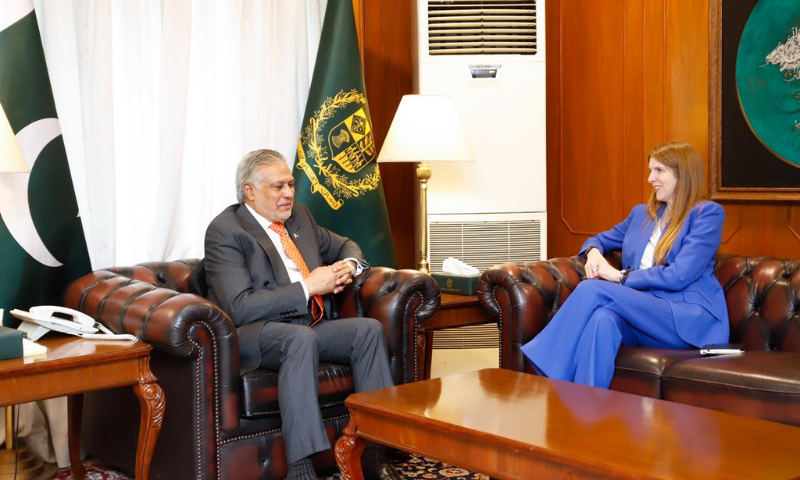
Ishaq Dar meets British High Commissioner, calls for de-escalation in Middle East

Related Posts

Farewell to Azerbaijani envoy: Gilani lauds role in strengthening Pakistan-Azerbaijan ties
Diplomatic

Farewell to Azerbaijani envoy: Gilani lauds role in strengthening Pakistan-Azerbaijan ties

Islamabad, July 22, 2026: Chairman Senate Syed Yousaf Raza Gilani on Wednesday bid farewell to Azerbaijan's Ambassador to Pakistan, Khazar...

by Sub News
July 22, 2026
NA panel asks PEMRA to strengthen media regulation, ensure timely payment of journalists’ salaries
National

NA panel asks PEMRA to strengthen media regulation, ensure timely payment of journalists’ salaries

Islamabad, July 21, 2026: The National Assembly Standing Committee on Information and Broadcasting on Tuesday directed the Pakistan Electronic Media...

by Sub News
July 21, 2026
PM Shehbaz reaffirms Pakistan’s commitment to regional peace during meeting with Iranian interior minister
Diplomatic

PM Shehbaz reaffirms Pakistan’s commitment to regional peace during meeting with Iranian interior minister

Islamabad, July 21, 2026: Prime Minister Muhammad Shehbaz Sharif on Tuesday reaffirmed Pakistan's commitment to regional peace and stability during...

by Sub News
July 21, 2026
Pakistan launches non-formal education strategy to bring out-of-school children back to classrooms
Education

Pakistan launches non-formal education strategy to bring out-of-school children back to classrooms

Islamabad, July 21, 2026: The Pakistan Institute of Education (PIE), in collaboration with the Japan International Cooperation Agency (JICA), has...

by Sub News
July 21, 2026
Next Post
Ishaq Dar meets British High Commissioner, calls for de-escalation in Middle East

Ishaq Dar meets British High Commissioner, calls for de-escalation in Middle East

Breaking News

  • Iran warns of regional retaliation as Trump threatens strikes over Hormuz attacks
  • Babar Azam rises to sixth in latest ICC ODI batting rankings
  • Spain-Argentina World Cup final draws record 63 million US viewers
  • The DP World ILT20 has created a pathway for UAE cricketers: Muhammad Rohid
  • Petrol pump owners call off nationwide strike after government assurances
Sub News

© 2026 subnewsenglish.com

Navigate Site

  • About
  • Advertise
  • Privacy & Policy
  • Contact

Follow Us

No Result
View All Result
  • Home
  • World
  • Diplomatic
  • Sports
    • Cricket
  • National
  • Business
  • Crime & Justice
  • Entertainment
  • Lifestyle
  • Environment
    • CPEC

© 2026 subnewsenglish.com

This website uses cookies. By continuing to use this website you are giving consent to cookies being used. Visit our Privacy and Cookie Policy.