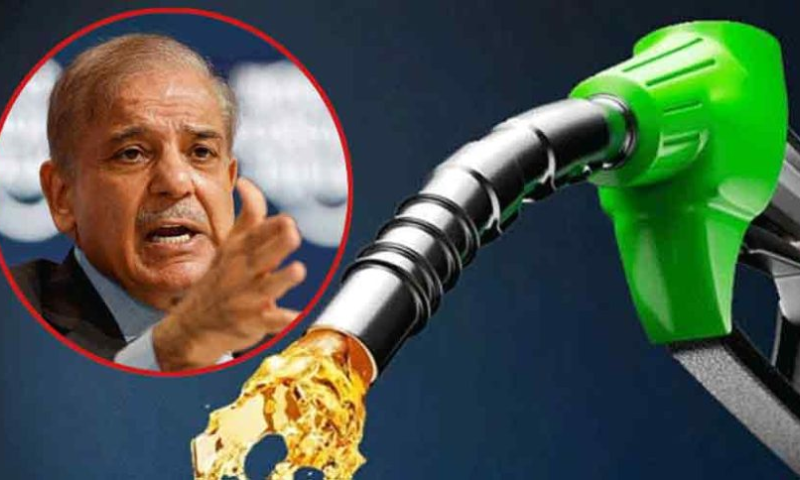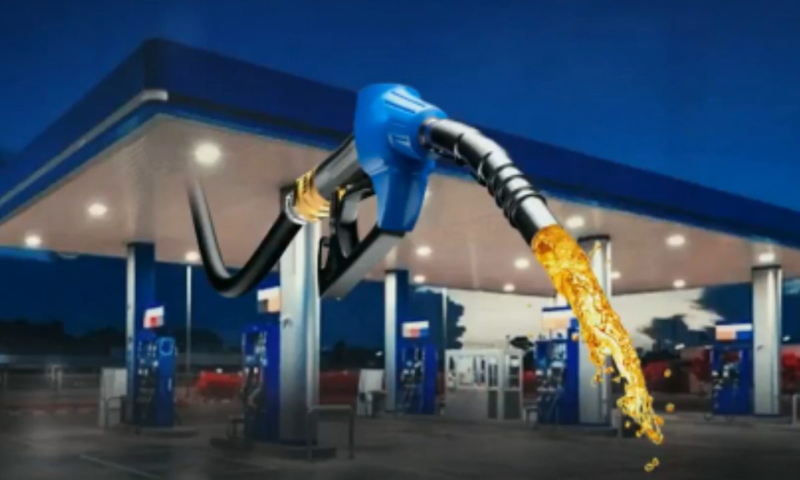
Islamabad, March 7, 2026: A sharp increase of Rs55 per litre in petroleum prices has intensified the cost of living across the country, with citizens reporting higher transport fares and rising prices of essential goods.
Following the government’s late-night announcement of the price hike, residents said the increase has triggered a ripple effect in markets, pushing up the cost of fruits, vegetables and other daily-use items.
Citizens also reported disputes at petrol pumps, where attendants were allegedly refusing to dispense fuel worth less than one litre. According to several residents, customers requesting petrol worth Rs150 or Rs200 were turned away, with pump staff saying the nozzle system is set to fixed quantities, resulting in frequent arguments between customers and attendants.
The surge in fuel prices has also significantly increased transportation costs for traders. Shopkeepers said the expense of transporting fruits, vegetables and other goods to markets has risen sharply.
“Earlier, a trip used to cost around Rs1,000, but now it has increased to between Rs2,500 and Rs3,000,” said a shopkeeper, adding that the increased cost was ultimately being passed on to consumers.
The impact has also been felt in the education sector, as drivers providing pick-and-drop services for schoolchildren have raised their fares, leaving parents to bear the additional financial burden.
Residents say the rising fuel cost has made daily life increasingly difficult, forcing many families to choose between purchasing fuel and meeting basic household expenses.
Speaking to a local English newspaper, residents including Amir, Babar, Intikhab, Zahoor and Rashid said their salaries had remained stagnant while inflation continued to climb.
Amir said he previously bought petrol worth Rs1,000 that lasted about 15 days, but now the same amount does not last even four days.
Rashid, who works in loading and unloading, said work opportunities were already limited and questioned how people could continue to afford rising transport charges.
Rickshaw driver Ilyas also highlighted the growing difficulties for drivers and passengers alike. “Passengers already argue over fares, and rides are limited. It will be very difficult for people to pay between Rs500 and Rs1,000 for a single trip,” he said.
Residents further said the government should have carefully considered the impact before increasing fuel prices. While a Ramazan relief of Rs10,000 had been announced, many citizens argued that the petrol price hike had already taken far more from their pockets.