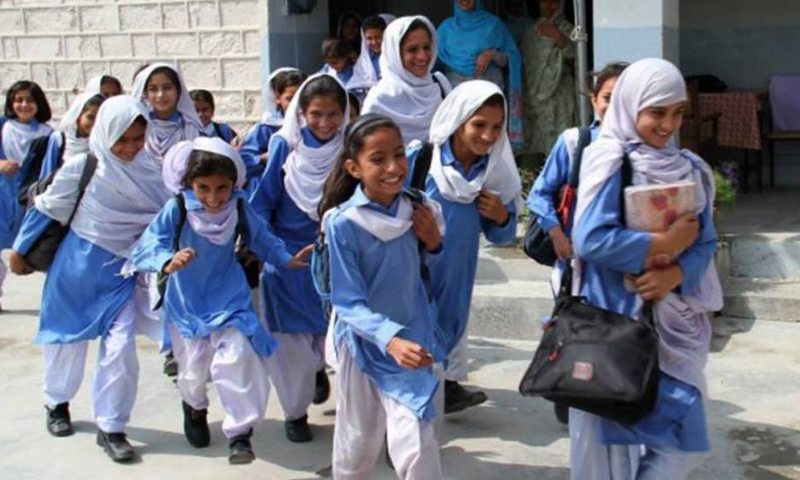
Lahore, March 9: The government of Punjab has announced the closure of all educational institutions from March 10 to March 31 as part of a series of austerity and fuel conservation measures in response to economic pressures caused by the ongoing Middle East conflict.
The decision was taken on the directives of Maryam Nawaz, following a sharp rise in petroleum prices and disruptions in global fuel supply chains.
Under the new directives, all schools, colleges and universities across the province will remain closed during the period. However, institutions may continue online classes, while examinations will proceed according to the previously announced schedule.
The provincial government said the steps were taken as Pakistan faces fuel supply constraints due to the closure of the Strait of Hormuz, a key global route for oil shipments.
The disruption came after Iran began retaliatory strikes against US bases in the Middle East following joint military action by the United States and Israel.
As supply routes were affected, Pakistan announced a 20 percent increase in petrol and diesel prices, prompting the government to adopt austerity and fuel-saving measures.
Austerity measures announced
Under the new provincial policy, outdoor government events have been suspended while major cultural activities, including the Horses and Cattle Show, have been postponed.
Provincial ministers will not receive government fuel until the petroleum shortage is resolved. Fuel allowances for government officials have been reduced by 50 percent, and the number of protocol vehicles accompanying ministers has been limited to one car for essential security purposes.
A work-from-home policy will also be implemented in government offices, with only essential staff required to attend in person.
Despite the restrictions, online public services under the Maryam Ki Dastak and other e-business platforms will continue to operate.
Monitoring of petroleum supply
Chief Minister Maryam Nawaz has also directed the formation of district-level petrol monitoring committees to prevent hoarding and ensure fair distribution of fuel.
The Punjab Information Technology Board (PITB) has been tasked with developing a track-and-trace system to monitor the movement of petroleum products. Local administration, police and paramilitary officials will participate in implementing the system.
The chief minister clarified that restrictions apply mainly to additional support staff movement, while government offices will continue functioning without interruption.
She also advised the private sector to adopt work-from-home policies where possible, limit non-essential events and call only necessary staff to workplaces.
Authorities have been directed to closely monitor transport fares across the province and take legal action against operators charging excessive or unauthorised rates.
Citizens have also been urged to avoid unnecessary purchases, limit outdoor events and reduce late-night shopping to conserve energy.
Similar steps in other provinces
Earlier, the government of Balochistan announced the closure of all schools from March 10 to March 23, covering both public and private institutions, including colleges and universities.
Despite the closures, ongoing initiatives such as the school enrolment campaign and the digital school census will continue as scheduled.
Meanwhile, the government of Khyber Pakhtunkhwa has unveiled a fuel conservation plan.
According to Shafi Jan, all departmental meetings will be conducted virtually and a 50 percent work-from-home policy will be introduced in government offices.
The provincial cabinet has also approved a 25 percent reduction in fuel allowances for official vehicles, raising the total reduction to 50 percent, as a previous cut implemented during the COVID-19 period remains in place.
However, emergency services including police and Rescue 1122 will be exempt from the fuel cuts.
The government has also decided to reduce the use of VIP protocol vehicles and helicopters, while banning unnecessary ceremonies and official dinners to enforce fiscal discipline.
Authorities will monitor petrol pumps daily and take strict action against hoarding, while ensuring the supply of diesel to farmers during the wheat harvesting season.