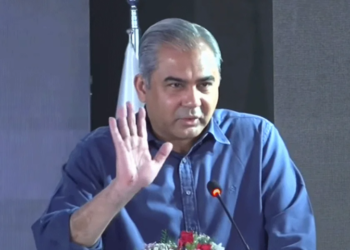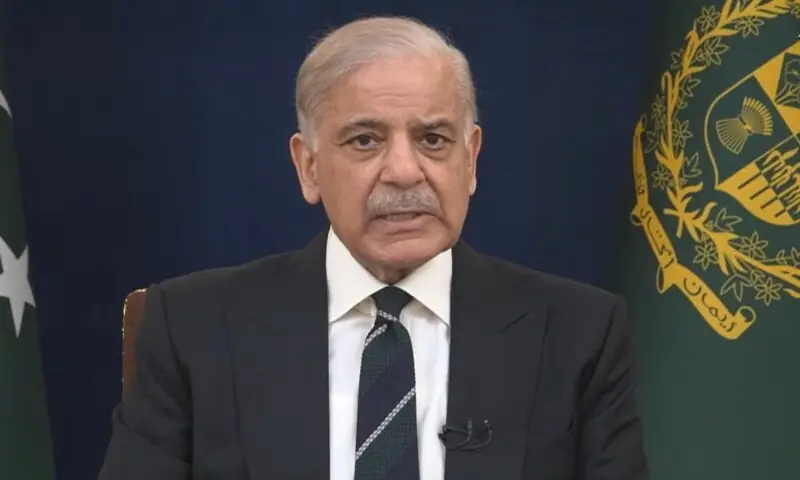
Islamabad, March 9, 2026: Prime Minister Shehbaz Sharif on Monday announced a series of austerity measures to help Pakistan manage the economic fallout from the global fuel crisis triggered by the ongoing US-Israel-Iran conflict.
In his nationwide address, the premier said the region was “gripped by war” and highlighted Pakistan’s diplomatic efforts to help resolve the situation peacefully.
“The entire region is currently in conflict, and Pakistan is making every effort through diplomacy to help ease tensions,” he said.
Security and regional condemnations
Sharif also drew attention to Pakistan’s security challenges along its western borders, noting that the country’s armed forces were effectively handling terrorism under the leadership of Chief of Defence Staff Asim Munir.
The prime minister condemned the US-Israeli attacks on Iran, which resulted in the assassination of Iran’s Supreme Leader Ali Khamenei, as well as Iran’s retaliatory strikes on friendly Gulf nations.
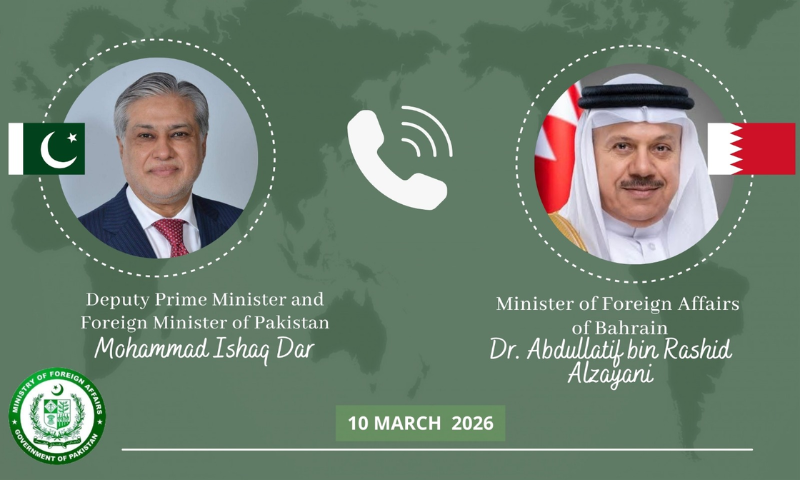
“Pakistan stands shoulder to shoulder with our friends in this difficult time,” he said.
Global fuel crisis and economic pressures
Sharif warned that the conflict had pushed global oil prices above $100 per barrel, emphasizing that Pakistan’s economy and daily life rely heavily on oil and gas imports from the Gulf region.
“Keeping this reality in mind, the government took difficult decisions to protect the economy and the people,” he said, adding that the recent petroleum price hike was a “tough but necessary” move.
He assured citizens that efforts were being made to minimize the burden on households, stating that the government opted for a middle path rather than implementing higher price increases recommended by some advisors.
Key austerity measures
The prime minister outlined a broad set of measures aimed at conserving fuel and reducing government expenditure over the next two months:
- Fuel and vehicles: Official vehicle fuel allowances cut by 50%; 60% of government vehicles temporarily halted; ambulances exempted.
- Government salaries: Federal cabinet members will forego salaries; parliamentarians’ pay reduced by 50%; two days’ salary of BS-20 officials earning over PKR 300,000 will be redirected for public support.
- Departmental budgets: Expenditures reduced by 20%; bans on new vehicle, furniture, and air conditioner purchases.
- Official travel and events: Foreign trips restricted to essential purposes; official dinners, Iftar parties, and external seminars/conferences moved to government premises.
- Meetings: Preference for teleconferencing and online meetings to save fuel.
- Public sector working hours: Non-essential staff to work from home 50% of the time; offices open four days a week (banks exempted).
- Education: Schools to have two holidays per week; higher education institutions to conduct online classes, with directives issued to all provinces.
Sharif urged unity and resilience in the face of mounting global challenges, stressing that Pakistan must navigate these economic and geopolitical pressures together.
“At this delicate turn, the country needs to show unity now more than ever,” he concluded.
These austerity measures come as Pakistan grapples with rising fuel costs, global supply disruptions, and the ongoing regional conflict, aiming to safeguard the economy while minimizing the impact on citizens.