Karachi, March 10, 2026: The government of Sindh on Tuesday unveiled a series of austerity measures aimed at reducing public expenditure and conserving fuel amid rising economic pressures caused by escalating regional tensions.
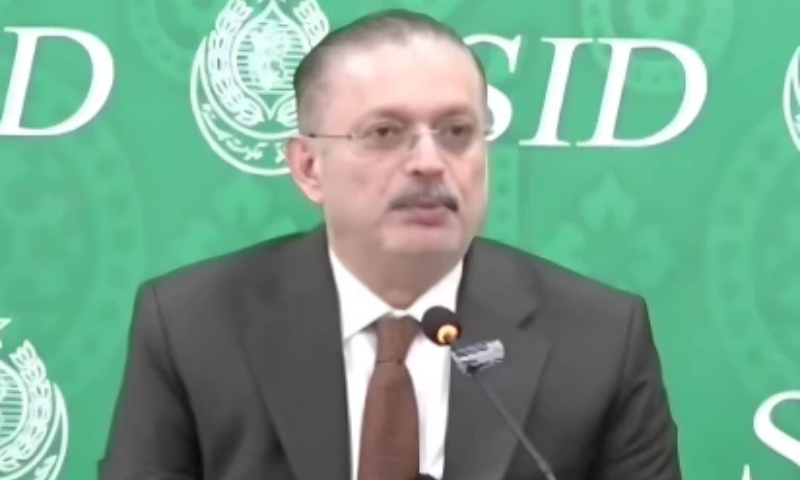
Addressing a press conference in Karachi, Sindh Senior Minister Sharjeel Inam Memon announced that schools across the province will observe spring vacations from March 16 to March 31, while colleges and universities will shift to online classes during the same period. However, he clarified that ongoing examinations will continue as scheduled.
The minister also dismissed reports that government offices would close on Fridays, explaining that officials would instead work remotely on that day.
“Monday to Thursday will be regular working days, while on Friday government employees will work from home,” he said.
Memon said the provincial government had endorsed the austerity measures announced by Prime Minister Shehbaz Sharif and had launched its own campaign to reduce expenditures.
Under the new measures, fuel allocated for official government vehicles will be reduced by 50 percent, a move expected to save nearly Rs960 million. Operational vehicles such as ambulances and law enforcement vehicles will remain exempt.
Provincial ministers have also decided to forgo their salaries for three months from April to June, the senior minister said, adding that the government would send a reference to the speaker of the Sindh Assembly regarding whether lawmakers would adopt a similar step.
The government will also reduce unnecessary expenditures such as furniture and stationery purchases by 20 percent, which officials estimate could save around Rs12 billion.
As part of the austerity drive, the provincial government has imposed a complete ban on the purchase of new vehicles and other non-essential items, except for critical services such as ambulances and law enforcement vehicles.
Memon also announced that unnecessary foreign visits by government officials would be prohibited, and any essential official travel would be conducted in economy class rather than business class.
In addition, ministers and senior officials have offered to scale down or withdraw their security protocols, allowing police vehicles and resources to be redirected for public use. The cabinet has instructed the provincial law minister to withdraw security arrangements from individuals who were receiving them unnecessarily, including some former caretaker ministers and committee members.
However, Memon clarified that security would not be withdrawn in cases where there are legitimate threats.
The Sindh cabinet also ordered a halt to several forms of government spending during the austerity period. No Iftar parties funded by the government will be held, and official events will no longer be hosted at five-star hotels but instead at government premises.
The senior minister further said that refreshments at government expense will be banned in offices for two months after Ramadan, adding that the leadership wanted to set an example.
“Charity begins from home,” he remarked.
Memon also confirmed that the aircraft used by the chief minister would remain grounded during the austerity period, noting that it had been purchased by a previous administration.
The provincial government said the savings generated through these measures would be directed toward public welfare and mitigating the impact of rising fuel prices on citizens.
The austerity drive comes after the federal government introduced similar steps to conserve fuel amid a global energy crisis triggered by the ongoing conflict between the United States, Israel and Iran.
Meanwhile, the government of Khyber Pakhtunkhwa has ordered all universities, degree-awarding institutions, and colleges to remain closed on Fridays and Saturdays, according to a notification issued by the provincial higher education department.
Educational institutions in the province have also been advised to adopt hybrid or online teaching methods during the remaining working days for the next two months to reduce fuel consumption.
Similar fuel-saving measures have also been introduced in Punjab and Balochistan, including work-from-home arrangements for government offices and restrictions on institutional operations, as authorities across Pakistan attempt to cushion the economic impact of the ongoing regional crisis.