Tehran/Doha, March 19,2026: Iran has warned of a significantly tougher response to any further attacks on its energy infrastructure, as Foreign Minister Abbas Araghchi called for vigilance and regional coordination in contacts with counterparts in Türkiye, Egypt, and Pakistan, state media reported on Thursday.
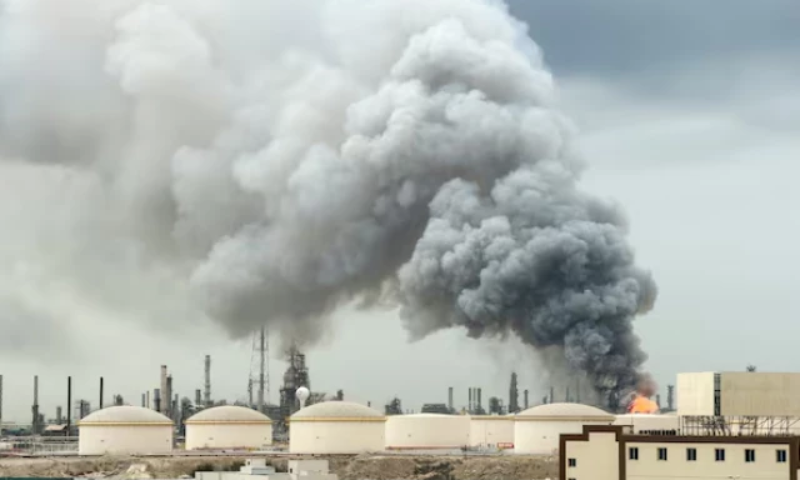
The warning follows strikes on Iran’s key gas facilities in South Pars and Asaluyeh, which Tehran blamed on the United States and Israel. In retaliation, Iran launched attacks on energy-linked sites across the Gulf, including the strategically vital Ras Laffan Industrial City in Qatar—the world’s largest LNG processing complex.
According to Iranian officials, the attacks mark “a new stage in the war,” with Tehran signaling it would target energy infrastructure linked to US interests and allies in the region if further strikes occur. A military spokesperson warned that any renewed attacks on Iran’s facilities would trigger “much more severe” retaliation.
Gulf energy infrastructure hit
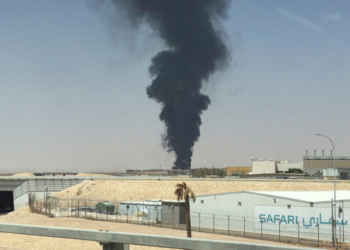
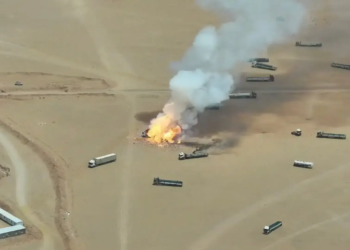
Iranian aerial strikes reportedly caused widespread disruption across key Gulf energy installations. In Qatar, state-owned QatarEnergy confirmed “extensive damage” at Ras Laffan, though emergency teams contained fires and no casualties were reported.
Shell, a major stakeholder in LNG operations at Ras Laffan, said its Pearl gas-to-liquids facility sustained damage, though fires were quickly extinguished and the site secured.
In Saudi Arabia, a drone struck the SAMREF refinery, while a ballistic missile targeting Yanbu—a key Red Sea export hub—was intercepted, according to authorities. Meanwhile, Kuwait reported drone attacks that ignited fires at the Mina al-Ahmadi and Mina Abdullah refineries.
The United Arab Emirates also shut down gas facilities at Habshan and the Bab oil field following missile interceptions, with officials citing falling debris as the cause of damage.
Trump warns of retaliation
US President Donald Trump reacted strongly, warning Iran against further attacks on Gulf LNG infrastructure. He threatened to “massively” retaliate, including potential action against Iran’s South Pars gas field, if escalation continues.
Qatar, in a sharp diplomatic response, declared Iranian military and security attaches “persona non grata” and ordered them to leave within 24 hours. Its foreign ministry described the strike on Ras Laffan as a “direct threat” to national security.
Regional and global implications
Energy analysts warned that sustained attacks on Ras Laffan—central to Qatar’s 77 million tons per year LNG output—could trigger a global gas shortage. However, some experts suggested that higher global gas prices may economically benefit major exporters, including the United States.
The latest escalation comes amid an intensifying conflict involving Iran, Israel, and US interests in the region, now entering its third week. Iranian officials maintain that the attacks on energy infrastructure are aimed at countering what they describe as efforts to destabilize the region.
Tehran has urged regional countries to coordinate closely in response to what it views as a widening conflict, warning that continued escalation could have severe consequences for both regional stability and global energy markets.