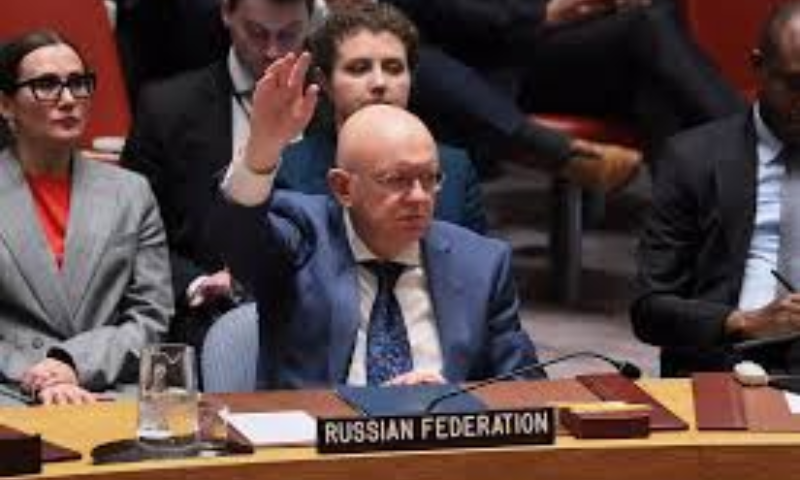
New York/Islamabad, April 7, 2026: At a United Nations Security Council session on Tuesday, China and Russia exercised their veto powers to block a Bahraini-led resolution aimed at coordinating international efforts to protect commercial shipping in the Strait of Hormuz.
Of the 15-member Council, 11 voted in favor, two against, and two abstained. Bahrain’s Foreign Minister Abdullatif bin Rashid Al Zayani stated that “the draft resolution has not been adopted, owing to the negative vote of a permanent member of the council.”
The resolution, which had been under negotiation for the past two weeks with the support of the United States and other Gulf oil-exporting nations, no longer included authorization to use force, even for defensive purposes. It was intended to provide a clear UN mandate for states seeking to ensure free passage through the strait, which Iran has effectively blocked since the US-Israel military campaign began on February 28.
Bahrain’s UN ambassador, Jamal Alrowaiei, described the situation as “economic terrorism affecting our region and the world; the whole world is being affected by the developments.”
The vote came just hours ahead of US President Donald Trump’s 8:00 pm (midnight GMT) ultimatum, demanding that Iran reach a deal or face US military action targeting its power plants and bridges. Previous attempts to pass the resolution were delayed due to objections from several permanent members, including France, Russia, and China. The latest draft included language stipulating that any action would have to be “defensive,” which reportedly addressed French concerns.
Earlier, in mid-March, the Security Council had adopted a separate strong resolution condemning Tehran for blocking the strait, signaling growing international alarm over disruptions to one of the world’s most critical oil and gas shipping routes.
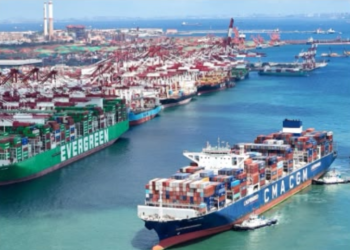
The failed vote underscores deep divisions within the UN over how to address the escalating crisis in the Middle East and the strategic Strait of Hormuz, through which roughly 20% of the world’s oil and gas flows.