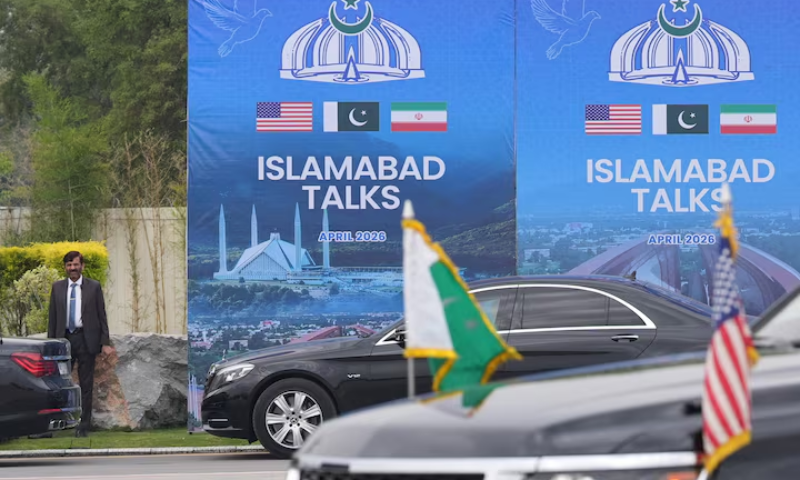
Islamabad, April 14, 2026: Negotiating teams from the United States and Iran are expected to return to Islamabad later this week for a possible second round of high-level talks aimed at de-escalating ongoing tensions, according to multiple diplomatic sources.
Officials said discussions are underway to finalise the timing, with both sides tentatively keeping the period between Friday and Sunday open for renewed engagement. A senior Iranian source noted that while no formal date has been confirmed, Tehran remains open to resuming dialogue in the coming days.
A source involved in the negotiations said a proposal has already been shared with both sides to reconvene their delegations, following last weekend’s inconclusive but historic talks.
Pakistani officials familiar with the process confirmed that Pakistan is actively coordinating with both Washington and Tehran to align schedules for the next round of discussions, which are likely to take place again in Islamabad.
A senior Pakistani government official said Iran has responded positively to outreach efforts, indicating willingness to proceed with a second round of negotiations.
The initial round of talks, hosted in Islamabad, brought together senior delegations from both countries in what officials described as intensive, closed-door negotiations lasting nearly 21 hours.
The meeting marked the first direct engagement between the United States and Iran in more than a decade and the most senior-level contact since Iran’s 1979 Islamic Revolution. Despite extensive deliberations, the talks concluded without a formal agreement, though officials described them as a significant breakthrough in establishing direct communication channels.
The delegations were led by US Vice President JD Vance and Iranian Parliament Speaker Mohammad Baqer Qalibaf.
Discussions reportedly focused on a wide range of contentious issues, including security in the Strait of Hormuz, Iran’s nuclear programme, sanctions relief, and regional maritime stability.
The Strait of Hormuz—one of the world’s most critical energy transit routes—remains a major point of tension, with Washington seeking its secure reopening while Tehran has raised concerns over regional security dynamics.
According to diplomatic sources, the United States presented a 15-point framework covering nuclear restrictions, missile concerns, sanctions easing, and maritime security, while Iran responded with a 10-point proposal seeking broader sanctions relief and greater regional autonomy.
The Islamabad talks were widely seen as a rare instance of direct engagement facilitated by a third country, with Pakistan playing a central role in bringing both sides to the negotiating table.
Officials credited Islamabad’s diplomatic outreach for enabling sustained dialogue and helping broker a ceasefire announced earlier this month, which temporarily halted hostilities following weeks of escalation.
The ceasefire, announced on April 8, came after a violent escalation beginning in late February that left more than 2,000 people dead and significantly destabilised the region.
Despite the fragile truce, major differences remain unresolved. However, the continuation of talks in Islamabad is being viewed as a potential step toward narrowing gaps and sustaining diplomatic momentum.
The international community has broadly welcomed Pakistan’s facilitation efforts, describing Islamabad’s role as critical in maintaining communication between the two adversaries.
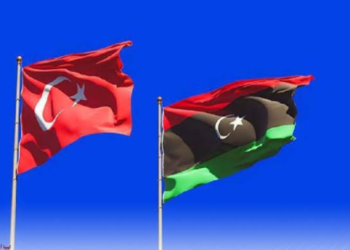
Meanwhile, diplomatic sources said Prime Minister Shehbaz Sharif is expected to undertake visits to Saudi Arabia, Qatar, and Türkiye as part of a broader diplomatic push to support regional stability.
If confirmed, the upcoming round of US–Iran talks would further solidify Islamabad’s position as an emerging venue for high-stakes international diplomacy.