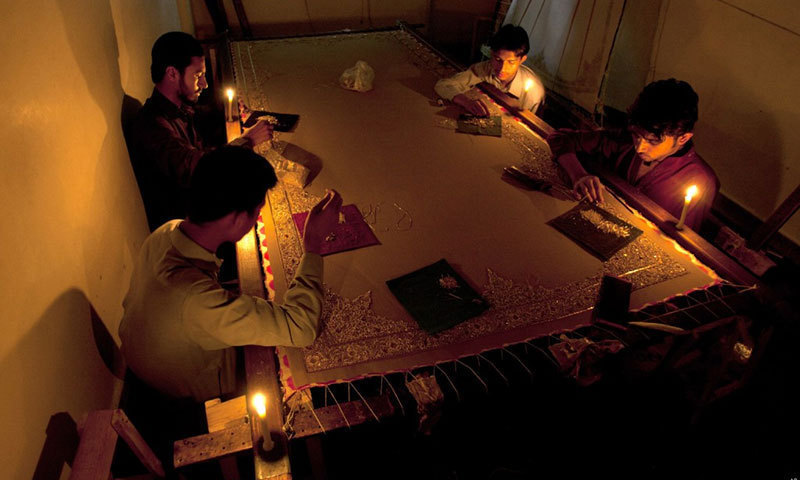
Islamabad, April 14, 2026: Amid mounting fuel constraints, the Government of Pakistan on Tuesday formally announced more than two hours of daily power outages during peak hours to prevent a sharp increase in electricity tariffs.
According to a statement issued by the Power Division, electricity supply will be suspended for approximately 2.25 hours daily between 5:00 pm and 1:00 am. The measure, described as part of a “Peak Relief Strategy,” aims to reduce reliance on costly fuels and shield consumers from a significant rise in power prices.
The decision follows the suspension of liquefied natural gas (LNG) imports from Qatar after a force majeure was declared due to attacks on its gas fields amid the ongoing regional conflict. Qatar remains Pakistan’s primary LNG supplier under two long-term agreements providing up to 1,000 million cubic feet per day (mmcfd).
The Power Division stated that while the national grid is capable of meeting full demand, doing so through expensive fuels would have negative financial implications. Peak electricity demand between 5:00 pm and 1:00 am, coupled with reduced hydel generation, has intensified the challenge.
The ministry highlighted that ongoing reforms have helped reduce electricity tariffs. From July to February, the average tariff declined by 71 paisa per unit despite rising fuel costs, resulting in a total consumer relief of Rs46 billion.
Officials attributed the reduction to structural reforms, targeted subsidies, improved planning, and more efficient system operations. Greater reliance on low-cost energy sources, enhanced utilization of generation capacity, and improvements in transmission and administrative efficiency also contributed to reduced losses and better system performance.
To mitigate the impact of LNG shortages, 80 mmcfd of local gas has been allocated to power plants. This move helped avert an increase of approximately 80 paisa per unit and reduced the need for extensive load management.
The Power Division noted that the limited outages are intended to prevent an increase of around Rs3 per unit. Even with restricted use of furnace oil, electricity tariffs may rise by about Rs1.5 per unit; without these measures, the increase could have reached Rs5 to Rs6 per unit.
The situation is being closely monitored under the direct supervision of Prime Minister Shehbaz Sharif. Authorities have been directed to ensure that electricity prices do not rise sharply.
Distribution companies have also been instructed to share feeder-wise outage schedules with consumers to ensure transparency. The Power Division emphasized that no unscheduled outages will be permitted, and consumers will be informed promptly in case of local faults.
Reaffirming its commitment to public welfare, the government stated that coordinated efforts by federal and provincial authorities—including the timely closure of commercial markets—could further reduce electricity demand and help control costs.
The Power Division clarified that the initiative should not be viewed as conventional loadshedding but as a strategic step to manage peak demand and protect consumers from steep tariff increases.