Islamabad, June 16, 2026: The United Kingdom has lauded Pakistan’s diplomatic role in brokering the landmark peace agreement between the United States and Iran, while announcing an additional £8 million in funding to strengthen joint efforts against illegal migration, visa fraud, and organized crime.
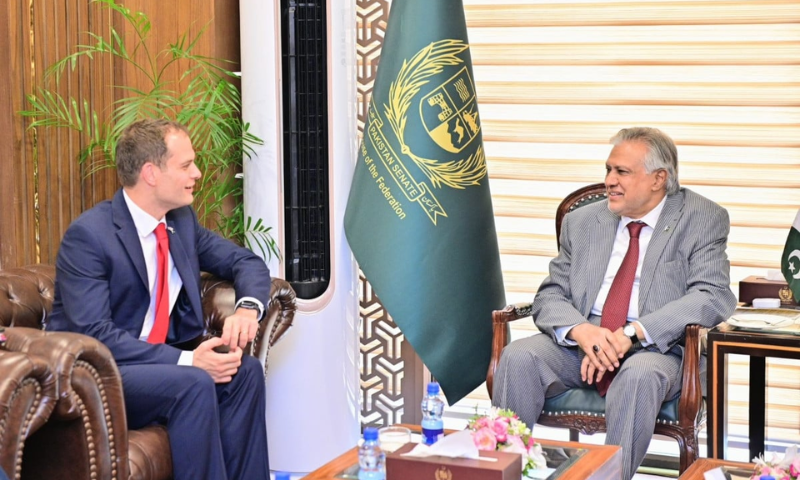
The announcement came during a two-day visit to Islamabad by UK Minister for the Middle East, Afghanistan and Pakistan, Hamish Falconer, who met senior Pakistani leaders and reaffirmed Britain’s commitment to deepening cooperation with Pakistan on regional security, migration management, and counterterrorism.
Welcoming the breakthrough US-Iran peace agreement reached after intensive negotiations involving Pakistan and other partners, Falconer personally thanked Deputy Prime Minister and Foreign Minister Senator Ishaq Dar for Pakistan’s role in facilitating the diplomatic process.
“The news of a US-Iran deal is a hugely significant moment and I am pleased to convey my personal thanks, and that of the UK, to Pakistan during my visit here in Islamabad,” Falconer said. “Pakistan has played a critical role in brokering this opportunity for regional stability, and we stand ready to work together to support a path to lasting peace.”
The minister reiterated the UK’s longstanding support for peace and stability in the Middle East, emphasizing that London would continue working closely with partners, including Pakistan, to ensure the agreement leads to lasting regional security.
As part of the visit, the UK pledged an additional £8 million to enhance collaborative efforts aimed at tackling illegal migration and transnational crime. The funding will help strengthen border management and visa systems, improve identity verification and information-sharing mechanisms, and provide technical expertise to assist Pakistani law enforcement agencies in disrupting human smuggling and trafficking networks.
According to the UK government, the package will also support the return of individuals with no legal right to remain in Britain and finance community-based initiatives in migration-prone areas to address the root causes driving irregular migration.
“The UK-Pakistan partnership is critical for safeguarding global, regional and UK national security—working closely together to tackle terrorist threats, visa fraud and serious organised crime,” Falconer said.
“We are taking this partnership and our cooperation to a new level, with additional funding to deter illegal migration and target drivers from the source.”
He also expressed appreciation for Pakistan’s role in facilitating the US-Iran negotiations and underscored the importance of ensuring the full reopening of the Strait of Hormuz, a vital global shipping route.
During his visit, Falconer is scheduled to witness a live demonstration of joint UK-Pakistan law enforcement efforts aimed at preventing illegal migration. Supported by British assistance, Pakistani authorities have been working to identify and intercept non-genuine visa holders at airports, helping ensure that only eligible travelers and students depart for the United Kingdom.
The minister’s engagements also include meetings with officials from Pakistan’s Ministry of Interior and the Higher Education Commission to discuss enhanced cooperation in preventing visa abuse and strengthening legal migration pathways.
On regional security, Falconer met Pakistan’s Special Representative for Afghanistan to discuss ongoing tensions between Pakistan and Afghanistan. The discussions focused on encouraging dialogue between the two neighbors and exploring ways to counter the terrorist threat emanating from Afghan territory.
The UK continues to provide counterterrorism assistance to Pakistan, including training for civilian investigators and prosecutors handling terrorism-related cases.
The visit reflects the growing strategic partnership between Islamabad and London, with both countries seeking closer cooperation on regional peace, border security, migration management, and counterterrorism challenges.