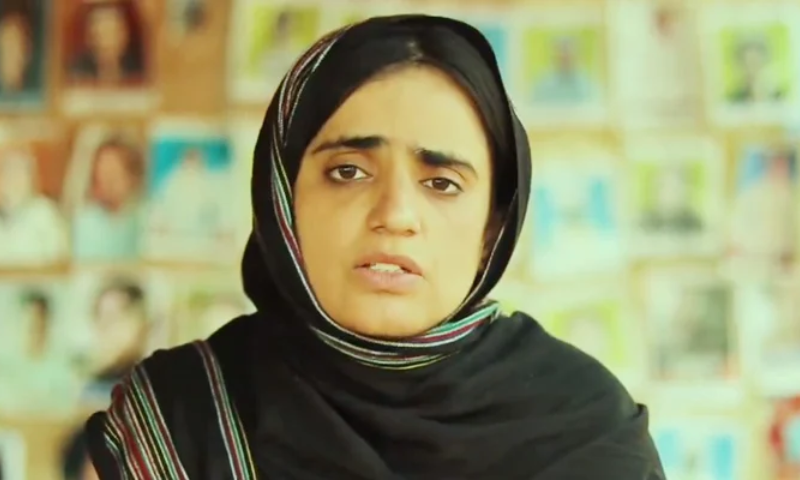
Quetta, June 22, 2026: An Anti-Terrorism Court (ATC) in Quetta on Monday sentenced Baloch Yakjehti Committee (BYC) chief organiser Dr. Mahrang Baloch and senior BYC leader Sibghatullah Shahji to life imprisonment in a case related to the killing of a Frontier Corps (FC) personnel during violent protests in Gwadar in 2024.
The verdict was announced by ATC Quetta-I Judge Muhammad Ali Mobeen after completion of proceedings in a case concerning the death of an FC soldier who succumbed to injuries allegedly sustained during stone-pelting by a mob during a protest organised by the Baloch Yakjehti Committee.
Dr. Mahrang Baloch, Sibghatullah Shahji, and several others had been nominated in the case.
Speaking to reporters after the verdict, defence counsel Israr Jattak confirmed the court’s decision.
“The judge of the ATC Quetta has awarded life imprisonment to Mahrang Baloch and Sibghatullah Shah Ji in the murder case of an FC personnel,” he said.
The case stems from protests held in Gwadar on July 29, 2024, during the Baloch Rajee Muchi (Baloch National Gathering) organised by the BYC. The gathering witnessed clashes between protesters and security forces at multiple locations, including the Talar check-post and Marine Drive.
According to official reports at the time, three people lost their lives and at least ten others sustained injuries during the unrest.
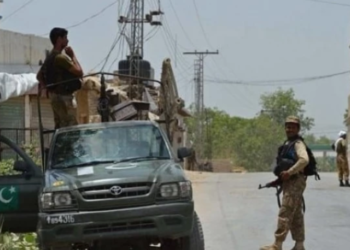
A day earlier, authorities had reported violence near Mastung as participants travelled toward Gwadar. A statement issued by the Deputy Commissioner of Kalat alleged that protesters attacked a Levies checkpoint and engaged in violent confrontations with security personnel.
The statement further claimed that an armed group waiting in Mastung city opened fire after security forces stopped the rally for negotiations. As a result, two Frontier Corps personnel and four civilians were reported injured.
Dr. Mahrang and Sibghatullah have remained in custody for nearly two years in connection with multiple cases.
Dr. Mahrang was initially arrested on March 22, 2025, and detained under the Balochistan Maintenance of Public Order (MPO) Ordinance for 30 days. Her detention was subsequently extended twice for additional 30-day periods.
Before the expiry of the third detention order, she was arrested in connection with separate criminal cases.
Following the MPO detention, several cases were registered against Dr. Mahrang and other BYC leaders under various provisions of the Anti-Terrorism Act and the Pakistan Penal Code.
The conviction comes amid ongoing debate regarding the treatment of Baloch political activists and the legal status of the Baloch Yakjehti Committee.
While the BYC itself is not listed among proscribed organisations by the National Counter Terrorism Authority (NACTA), Dr. Mahrang Baloch’s name appears on NACTA’s list of proscribed persons.
In May 2025, the Balochistan High Court rejected constitutional petitions seeking the release of Dr. Mahrang and two other activists. The decision was subsequently challenged before the Supreme Court, where related proceedings remain part of the broader legal discourse surrounding the case.
Legal experts note that the latest verdict may also be subject to appeal before higher courts, as is customary under Pakistan’s judicial system.
The ruling marks one of the most significant judicial developments involving the Baloch Yakjehti Committee and its leadership, drawing national attention to issues of security, political dissent, and the rule of law in Balochistan.