Islamabad, July 28, 2026: Prime Minister Shehbaz Sharif on Tuesday directed the authorities to enhance Pakistan’s strategic petroleum reserves as the Cabinet Committee on Energy (CCoE) approved amendments to the Pakistan Oil Refining Policy 2023 aimed at modernising the country’s refining sector and strengthening energy security.
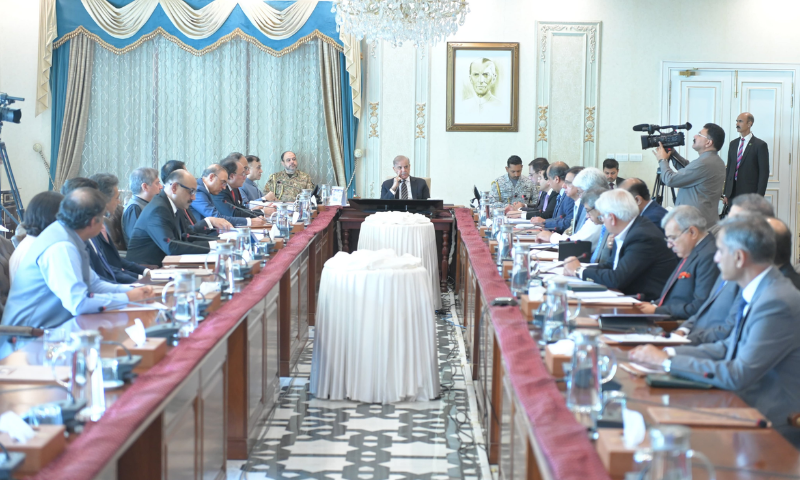
Chairing a meeting of the CCoE, the prime minister reviewed progress on the upgradation of domestic oil refineries, reforms in the energy sector, and implementation of the refining policy.
According to a statement issued by the Prime Minister’s Office (PMO), the committee approved amendments to the Pakistan Oil Refining Policy for Upgradation of Existing Brownfield Refineries 2023, paving the way for refinery modernisation and increased production of cleaner fuels.
“The upgradation of oil refineries is an important need of the time and is a key pillar of Pakistan’s comprehensive energy security system,” the prime minister said.
He noted that modernised refineries would not only help meet the country’s growing energy demand but also reduce dependence on imported petroleum products while enabling the production of environmentally friendly fuels.
The meeting was informed that the revised policy seeks to facilitate the production of Euro-V compliant petrol and diesel, reduce the output of furnace oil and other low-quality petroleum products, and help Pakistan meet its international environmental commitments by lowering air pollution.
Prime Minister Shehbaz directed the authorities to organise investment roadshows in Qatar, Saudi Arabia and other Gulf countries to promote the revised refinery policy and attract foreign investment.
He stressed that the government would continue introducing sustainable reforms in the energy sector, encourage the adoption of modern technologies, and provide an investor-friendly environment.
The premier also instructed the relevant ministries and institutions to ensure the effective and timely implementation of the amended policy, warning that delays or negligence would not be tolerated.
In addition, he directed reforms in the Oil and Gas Regulatory Authority (OGRA) to improve its performance, strengthen market competition, enhance transparency, and facilitate greater investment in Pakistan’s energy sector.
The meeting was attended by Finance Minister Muhammad Aurangzeb, Petroleum Minister Ali Pervaiz Malik, Economic Affairs Minister Ahad Khan Cheema, Planning Minister Ahsan Iqbal, senior federal secretaries, and other government officials.
Pakistan has been pursuing plans to strengthen its strategic petroleum reserves to improve energy security, particularly after recent regional tensions exposed vulnerabilities in fuel supply chains. The government is also seeking to revive approximately $6 billion in refinery upgradation investments after resolving key policy and regulatory issues that had delayed implementation of the refinery modernisation programme.