Washington/Tehran, August 7, 2026: Iran has warned that it would cut electricity across Gulf countries if the United States launches attacks on its power infrastructure, as diplomatic efforts to resolve the crisis surrounding the Strait of Hormuz continue alongside heightened military tensions across the Middle East.
According to AFP, two regional officials said Tehran conveyed a clear warning to Gulf states that any US strike on Iranian power facilities would trigger retaliatory measures targeting regional energy infrastructure. The officials, speaking on condition of anonymity, said Iran threatened to “black out the Gulf, country by country” if military action was taken against it.
The warning came after US President Donald Trump recently suspended plans for large-scale military strikes against Iran, saying Saudi Arabia, the United Arab Emirates and Qatar had urged Washington to pursue diplomacy instead.
Meanwhile, Saudi Arabia announced the appointment of Rear Admiral Abdullah bin Salem Al-Shahri as commander of a newly established multinational maritime defence coalition comprising Gulf states. The Saudi Ministry of Defence said the coalition aims to strengthen maritime security, safeguard freedom of navigation, protect strategic waterways and secure global supply chains. A planners’ meeting has been scheduled for August 12-13 to complete the coalition’s institutional framework.
Iran also maintained that its armed forces remain fully prepared despite months of conflict with the United States and Israel. Army spokesperson Brigadier General Mohammad Akraminia said damaged military systems had been upgraded, new equipment introduced and domestic defence capabilities significantly enhanced to preserve deterrence and rapid-response readiness.
US Vice President JD Vance said Washington would continue using military, diplomatic and economic tools to resolve the conflict while reiterating that Iran would never be allowed to acquire nuclear weapons. Speaking to Fox News, he acknowledged that negotiations remained difficult but expressed confidence that diplomacy could ultimately succeed.
On Wednesday, President Trump also reiterated his preference for a negotiated settlement over military action.
“I’d rather make a deal because I don’t want to kill people,” Trump said during an event in Las Vegas, while warning that military force remained an option if diplomacy failed.
Regional tensions also remained high along Israel’s northern border. Overnight Israeli airstrikes and artillery shelling in southern Lebanon wounded eight people in Burj Al-Shamali, according to Lebanon’s Health Ministry, despite an ongoing ceasefire and US-mediated negotiations in Rome aimed at implementing the truce and completing Israel’s withdrawal from Lebanese territory.
Israeli media reported that two Israeli soldiers were killed and four others wounded when an explosive device struck an Israeli military unit in southern Lebanon.
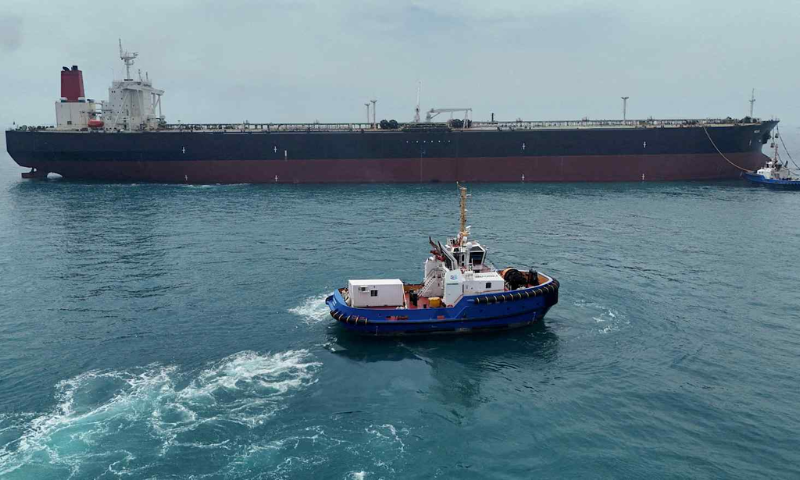
At sea, the United Kingdom Maritime Trade Operations (UKMTO) centre reported that a commercial tanker transiting the Strait of Hormuz heard two explosions off the coast of Oman. The vessel and crew remained safe, and no environmental damage was reported, although ships operating in the area were advised to exercise caution.
International shipping organisations have also urged the United Nations to oppose any proposal imposing compulsory transit fees in the Strait of Hormuz. In a joint letter to UN Secretary-General António Guterres and the International Maritime Organization, eight leading global shipping associations warned that such charges would undermine freedom of navigation, disrupt international trade and increase global shipping and energy costs.
Meanwhile, diplomatic negotiations over the future navigation regime in the Strait of Hormuz continued. Iranian officials said discussions with Oman had reached an advanced stage, with a final understanding expected soon. Tehran stated that commercial vessels would operate under a new framework differing from the arrangements that have existed for the past six decades.
According to Reuters, proposed arrangements under discussion would place greater Iranian oversight over commercial shipping entering the Gulf, although several key issues—including inspection mechanisms and transit fees—remain unresolved.
President Trump expressed optimism that negotiations could soon reopen one of the world’s most strategically important energy corridors, saying progress in talks had already contributed to declining global oil prices and improved market confidence.
The Strait of Hormuz remains one of the world’s busiest maritime chokepoints, handling a significant share of global oil and liquefied natural gas exports, making any disruption to navigation a major concern for international energy markets and global trade.