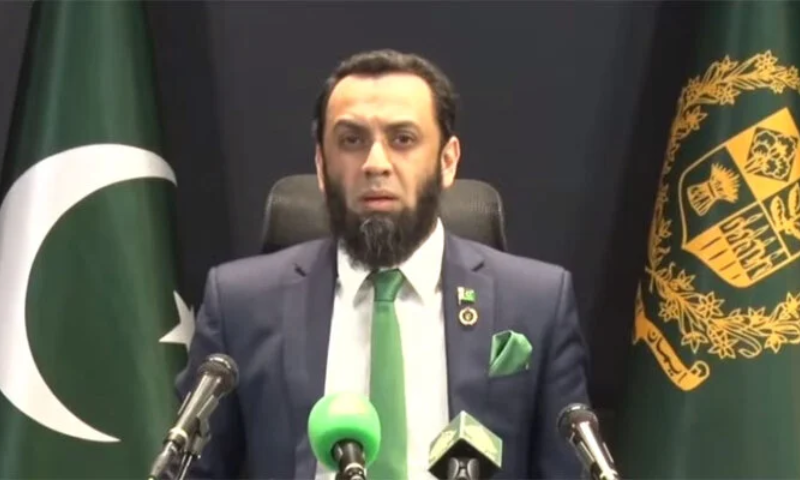
Islamabad, April 22, 2026: Marking the first anniversary of the Pahalgam attack, Pakistan on Wednesday criticised India for failing to present “credible evidence” to support its allegations against Islamabad, while reiterating its call for an independent investigation into the incident.
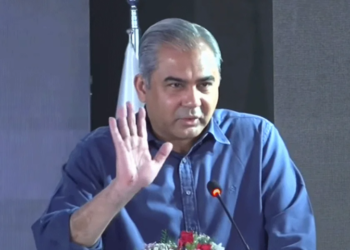
In a televised statement, Federal Minister for Information Attaullah Tarar said New Delhi had avoided calls for a neutral and impartial inquiry, alleging that the incident bore the hallmarks of a “false flag operation.”
The attack, which took place in Pahalgam in Indian Illegally Occupied Jammu and Kashmir, resulted in the deaths of 26 tourists. India subsequently accused Pakistan of orchestrating the assault, a charge Islamabad has consistently denied while demanding an independent probe.
Tensions escalated sharply following the incident, culminating in a brief but intense conflict between the two nuclear-armed neighbours. According to Pakistani officials, India carried out missile strikes inside Pakistan, leading to civilian and military casualties. Pakistan responded militarily, claiming it downed several Indian aircraft and neutralised key defence assets. The hostilities ended on May 10 last year after a ceasefire agreement brokered by the United States.
Tarar said India has yet to provide satisfactory answers regarding the Pahalgam incident despite the passage of a year, adding that New Delhi continues to frame internal challenges as external threats while portraying internationally recognised disputes as domestic matters.
He reiterated Pakistan’s position that terrorism remains an internal issue for India, while the Kashmir dispute is an internationally acknowledged conflict. The minister said Pakistan had clearly offered an impartial investigation, referencing Prime Minister Shehbaz Sharif’s proposal, which he claimed India did not meaningfully respond to.
Highlighting what he described as inconsistencies, Tarar pointed to the rapid registration of a First Information Report (FIR) within minutes of the attack, calling it “highly unusual” and suggestive of prior preparation. He added that segments of international media, Indian civil society, and think tanks have also raised questions about the incident.
The minister further criticised Indian media for, in his view, amplifying “war hysteria” and disseminating unverified reports, asserting that its credibility has been undermined internationally.
Expanding his remarks, Tarar accused India of pursuing policies that marginalise minorities under Hindutva ideology and alleged involvement in activities beyond its borders. He cited the case of Kulbhushan Jadhav and incidents involving Sikh figures abroad as examples, while also alleging Indian links to militant groups such as the BLA and TTP—claims India has previously denied.
Referring to recent security incidents, including attacks in Balochistan, the minister said Pakistan possesses “concrete evidence” of external involvement, which has been shared with international stakeholders at various forums.
Tarar reaffirmed Pakistan’s commitment to combating terrorism, stating that the country would take all necessary measures to safeguard its sovereignty and security. He warned that any future escalation or “misadventure” would be met with a “swift and decisive response.”
He also referenced Pakistan’s military campaign “Marka-e-Haq,” describing it as a success, and said the country continues to pursue peace under the leadership of Prime Minister Shehbaz Sharif and Chief of Army Staff Asim Munir.
The minister concluded by expressing hope for regional peace and stability, while affirming that Pakistan remains united in its national resolve.