By Farid Mustafayev
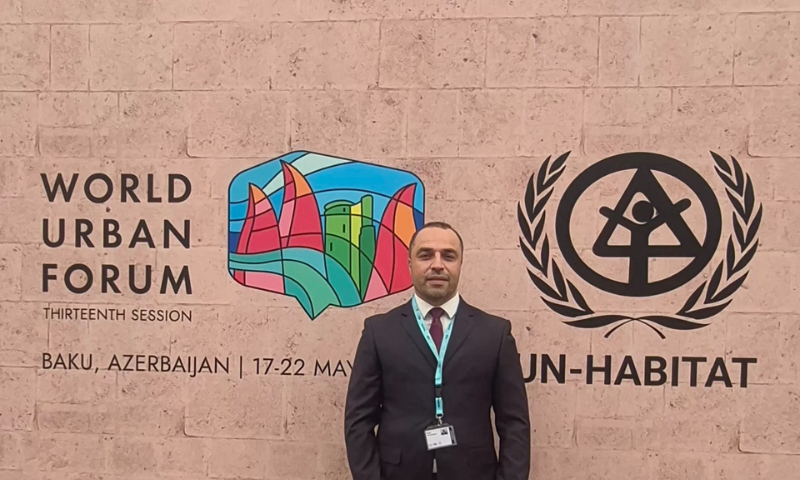
The 21st century is characterized by rapid urbanization. According to projections by the United Nations, a significant share of the world’s population is expected to live in urban areas in the coming decades. This trend not only creates new opportunities for urban development but also brings forward critical challenges such as housing provision, transportation systems, environmental safety, social equality, and the impacts of climate change. In this context, the exchange of international experience in urban planning and sustainable development has become increasingly important. The World Urban Forum (WUF), dedicated to this purpose, is widely regarded as one of the most influential global platforms that brings together governments, international organizations, researchers, and urban development professionals from around the world. The decision to hold the thirteenth session of the forum in Baku in 2026 is considered a significant milestone reflecting Azerbaijan’s growing role in the international cooperation landscape. WUF13 became a large-scale global event focused on the exchange of ideas regarding urban safety, resilience, inclusive development, and the improvement of quality of life in cities. Within the framework of the forum, representatives from different regions of the world discussed the challenges created by urbanization processes as well as the successful practices applied in this field. The choice of Baku as the host city was not coincidental. In recent years, Azerbaijan has implemented important projects in urban planning, infrastructure modernization, digital transformation, and environmental sustainability. Reconstruction efforts in the liberated territories, the implementation of “smart city” and “smart village” concepts, and the development of green energy zones have enabled the country to present its accumulated experience to the international community. WUF13 also served as an important platform for showcasing Azerbaijan’s sustainable development strategy to a global audience. One of the key strengths of the forum was its broad geographical representation. Delegates from various continents, including government institutions, international organizations, municipalities, the private sector, and academic circles, gathered in Baku to share their perspectives on the future of cities. This diversity created opportunities to compare different development models, discuss common challenges, and establish new cooperation frameworks. European countries presented their experience in urban governance, green technologies, and sustainable transport systems. Countries such as Germany, France, Italy, Spain, and the Netherlands shared projects related to improving energy efficiency, reducing carbon emissions, and optimizing urban spaces. These experiences were particularly valuable in terms of minimizing the environmental impact of urbanization. Representatives from Asia highlighted their approaches to managing rapid urban growth. Countries including China, Japan, South Korea, India, and Singapore presented advanced urban models based on high technologies, digital governance systems, and innovative infrastructure solutions. Their practices in building disaster-resilient cities and implementing digital solutions attracted significant attention from participants. Countries from the Middle East showcased modern architectural projects, new urban developments, and sustainable development strategies. The United Arab Emirates, Saudi Arabia, and Qatar demonstrated different approaches to urbanization through large-scale city development initiatives, illustrating how innovation and economic growth can be integrated into urban planning. African participation further broadened the scope of the forum. Countries such as Nigeria, Kenya, Egypt, and South Africa shared experiences related to rapid population growth, housing challenges, and infrastructure development. These contributions helped deepen the understanding of the challenges faced by developing urban systems. Representatives from North and South America presented various approaches to enhancing urban economic potential, ensuring environmental sustainability, and improving social welfare. Countries such as the United States, Canada, Brazil, Mexico, and Argentina introduced perspectives on balancing economic development with environmental protection.
The significance of WUF13 extended beyond the discussions held during the forum. The event contributed to the expansion of partnerships between countries, the promotion of new initiatives, and the development of future cooperation mechanisms. The ideas and proposals presented during the forum are expected to play an important role in shaping safer, more accessible, and more sustainable cities in the future. For Azerbaijan, WUF13 marked an important step in strengthening international reputation, promoting its development model, and contributing to the global urban agenda. Baku once again demonstrated its capacity as a center for international dialogue and cooperation, with its organizational capabilities and hospitality widely appreciated by participants. At the conclusion of the forum, the symbolic WUF flag was handed over to the country that will host the next session of the World Urban Forum. In this way, the spirit of dialogue and cooperation established in Baku will continue to inspire future forums, supporting global efforts toward safer, more resilient, and people-centered urban development. WUF13 will therefore remain an important milestone in the history of global urbanization.
Farid Mustafayev is the deputy chairman of “Progress” social and economic research public union, as well as member of the New Azerbaijan Party, Board Member Of The Youth Anti-Drug Public Union and also a member Of The Western Azerbaijan Community,