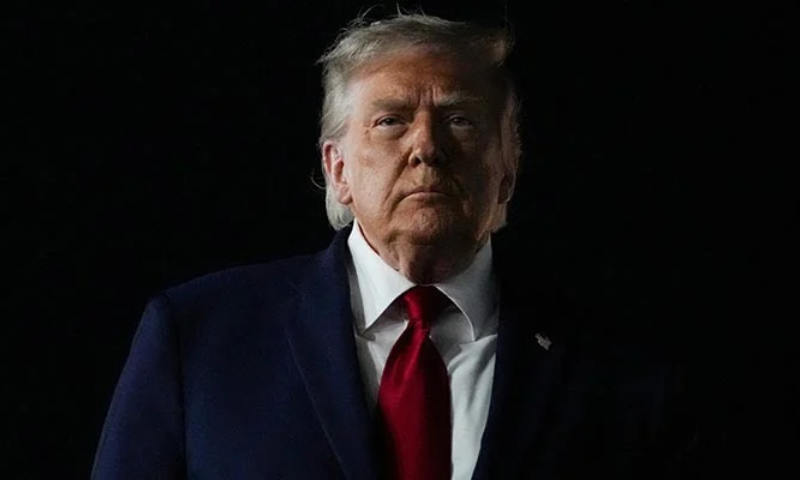
Washington/Tehran/Jerusalem, June 9, 2026: Diplomatic efforts to end months of conflict between the United States and Iran appeared to gain momentum on Tuesday, with US President Donald Trump expressing optimism that a comprehensive agreement could be finalized within days, even as a fragile ceasefire between Iran and Israel remained under close scrutiny.
Speaking to reporters before departing New York for Washington, Trump said negotiations with Tehran had continued uninterrupted despite the recent escalation in hostilities between Iran and Israel. He described the talks as being in their “final throes” and suggested that a breakthrough could be reached within the next few days.
According to Trump, both Iran and Israel had agreed to halt attacks following US mediation efforts, paving the way for renewed diplomatic engagement. He reiterated that any future agreement would prevent Iran from acquiring nuclear weapons and indicated that restrictions affecting maritime trade routes, including the Strait of Hormuz, could be eased soon after a deal is signed.
Iran and Israel announced on Monday that they had temporarily halted direct attacks against one another following the most serious confrontation between the two regional rivals since April. The exchange of strikes had raised fears of a broader regional war and threatened ongoing diplomatic efforts aimed at ending the conflict.
Despite the ceasefire, both sides maintained a cautious and at times defiant tone. Tehran warned that it would resume military action if Israel continued strikes against Hezbollah positions in Lebanon, while Israeli officials stressed that military operations would continue wherever they deemed necessary to address security threats.
A source familiar with the matter said Israel had decided to suspend attacks on Iranian territory, while Iranian authorities stated that missile launches toward Israel had ceased for the time being.
Trump also rejected suggestions that Israeli Prime Minister Benjamin Netanyahu had ignored US calls for restraint during the crisis. Referring to reports that Israel had carried out strikes despite American concerns, Trump said missiles had already been launched when he spoke with Netanyahu and insisted that communication between the two leaders remained strong.
The US president emphasized that he had urged restraint because negotiations were approaching a critical stage, saying the prospect of a significant agreement made further escalation unnecessary.
Meanwhile, Israeli Ambassador to the United States Yechiel Leiter dismissed media reports of serious tensions between Trump and Netanyahu, describing the relationship between the two leaders as close and cooperative despite occasional disagreements.
Iranian state media reported that at least two members of the country’s air defence forces were killed in Israeli strikes on Monday. State television said the personnel died while defending Iranian airspace during what it described as aggression by Israel.
The casualties marked one of the final reported incidents before both countries announced a halt to direct attacks.
Trump also addressed reports concerning a US Apache helicopter that reportedly crashed near the strategically vital Strait of Hormuz.
According to media reports, the crew was successfully rescued, and Trump confirmed that both pilots were safe and had not suffered injuries. However, officials have not yet determined whether the incident resulted from hostile action, mechanical failure, or another cause.
The White House and US military authorities have yet to provide a detailed explanation, with Trump indicating that a formal report would be released later.
Although negotiations continue, Iranian officials have expressed deep skepticism regarding Washington’s intentions.
Iranian Foreign Ministry spokesperson Esmaeil Baghaei criticized the United States over the seizure of Iranian assets and reiterated Tehran’s longstanding concerns about American policies.
Similarly, Ebrahim Azizi, head of the Iranian parliament’s National Security Committee, said significant obstacles remained to any final agreement. He pointed to disputes over nuclear issues, sanctions relief, and frozen Iranian assets, while emphasizing that trust between the two sides remained extremely low.
Azizi said Iran would judge future negotiations based on Washington’s actions rather than its statements, adding that Tehran had yet to see sufficient evidence of a genuine commitment to a lasting settlement.
While direct Iran-Israel hostilities have subsided, fighting in Lebanon continues to threaten regional stability.
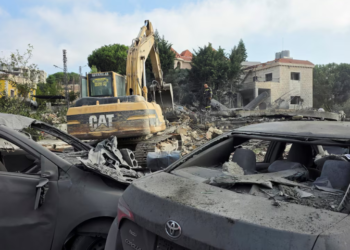
Israeli airstrikes across southern Lebanon reportedly killed and wounded multiple civilians on Tuesday, including residents in Tyre, Nabatieh, Adshit, Kfar Rumman, and other towns. Lebanese authorities also reported injuries among civil defence personnel responding to emergency situations.
The Israeli military issued fresh evacuation warnings for several areas in and around Tyre, citing alleged Hezbollah activity. The warnings triggered renewed displacement concerns among residents already affected by months of conflict.
Iran has repeatedly linked the success of any broader peace agreement to a cessation of Israeli military operations in Lebanon, where Hezbollah continues to engage Israeli forces.
The conflict has also intensified concerns over maritime security in the Gulf and Red Sea regions.
Iran continues to exert pressure on shipping through the Strait of Hormuz, a vital artery for global energy supplies through which a significant portion of the world’s oil and liquefied natural gas exports pass. Meanwhile, Yemen’s Houthi movement has threatened Israeli-linked maritime traffic in the Red Sea and Bab el-Mandeb Strait.
The recent flare-up caused oil prices to spike before retreating after news of the ceasefire emerged, reflecting market sensitivity to developments in the region.
US Vice President JD Vance said Washington would continue pursuing a long-term nuclear agreement with Iran regardless of Israel’s position.
He argued that recent developments had created an opportunity for a durable diplomatic settlement and stressed that the administration viewed a negotiated solution as being in the best interests of the United States.
For now, diplomats remain engaged in efforts to transform the fragile pause in fighting into a broader agreement capable of ending months of conflict. However, with continuing violence in Lebanon, lingering mistrust between Tehran and Washington, and unresolved disputes over Iran’s nuclear programme and regional influence, significant challenges remain before a lasting settlement can be achieved.