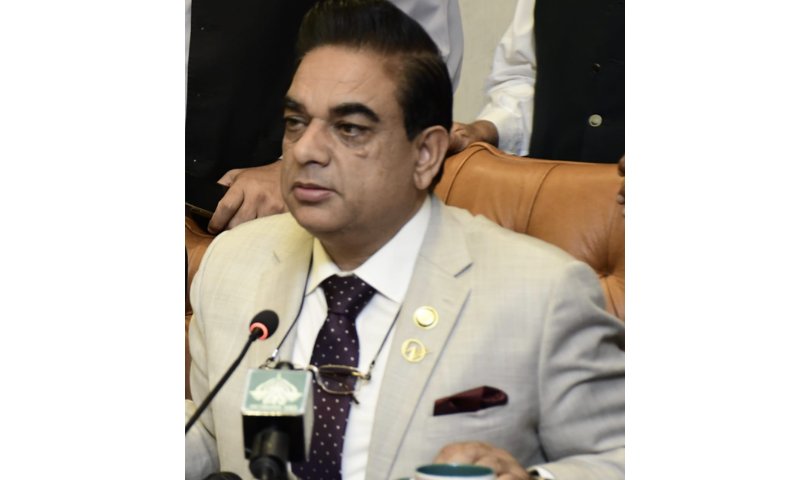
Islamabad, June 13,2026: President Islamabad Chamber of Commerce and Industry (ICCI), Sardar Tahir Mahmood, while commenting on the Federal Budget 2026-27 here on Saturday, said that although the budget contains some positive measures, it falls short of providing a comprehensive roadmap for accelerating economic growth and addressing key structural challenges facing the country.
He observed that critical sectors including industry, small and medium enterprises (SMEs), agriculture and information technology have not received the level of attention required to unlock their full potential. These sectors are the primary drivers of exports, investment, innovation and job creation, and therefore require targeted incentives, policy consistency and long-term support to contribute effectively to sustainable economic growth.
Expressing concern over the government’s ambitious tax collection target of Rs15.264 trillion, Sardar Tahir Mahmood emphasized that revenue objectives should be achieved through broadening the tax base and documenting untaxed segments of the economy rather than imposing additional burdens on existing taxpayers or creating an environment that could lead to unnecessary harassment. He stressed that a facilitative and trust-based tax regime is essential for improving compliance and encouraging investment.
The ICCI President also noted that the allocation of Rs109 billion for dams and water reservoirs appears inadequate in view of the country’s growing water scarcity challenges. He urged the government to significantly enhance investment in water storage and management infrastructure to ensure long-term water security, agricultural sustainability and economic resilience.
Highlighting the importance of human capital development, he called for greater public investment in skills development, technical education and vocational training programmes to equip the youth with market-oriented skills and create sustainable employment opportunities.
Sardar Tahir Mahmood further underlined the need to safeguard the personal data of individuals and businesses, stressing that regulatory compliance should be promoted through awareness, facilitation and advocacy rather than coercive measures. He said that protecting privacy and strengthening trust between taxpayers and institutions are essential for a modern and documented economy.
Despite these concerns, the ICCI President welcomed a number of business-friendly initiatives announced in the budget. He particularly appreciated the abolition of Section 7E, the reduction in property transaction taxes, relief provided to salaried individuals through lower tax rates, and measures aimed at improving tax administration, documentation and ease of compliance.
He said these steps would help improve investor sentiment, stimulate economic activity and provide relief to businesses and taxpayers. However, he emphasized that achieving higher growth, expanding exports and generating employment would require deeper structural reforms and a more comprehensive strategy focused on productive sectors of the economy.