Washington/Tehran, June 22, 2025: Tensions in the Middle East escalated dramatically on Sunday after Iran’s parliament approved a motion to close the vital Strait of Hormuz in response to U.S. airstrikes on Iranian nuclear facilities. The measure, reported by Iranian state media, still awaits final approval from the Islamic Republic’s Supreme National Security Council.
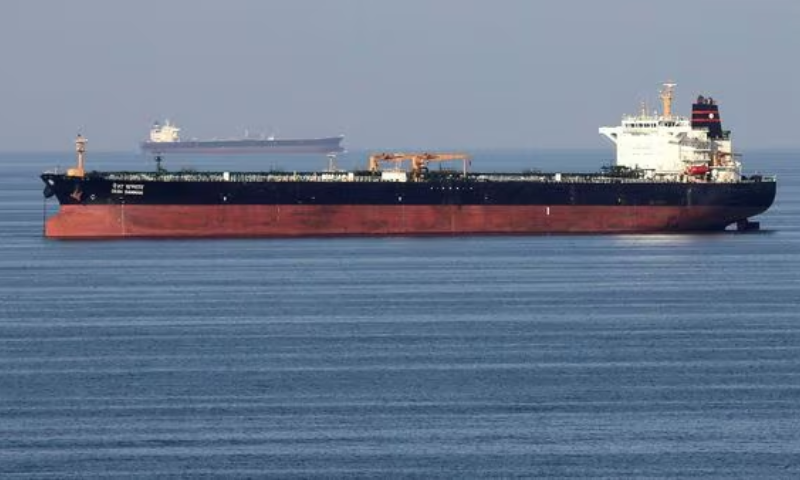
The strait, a chokepoint for nearly 20% of global oil and gas shipments, is now at the center of a potential international crisis, with major powers and global markets on alert.
Despite the vote, international shipping continues for now. Danish shipping giant Maersk confirmed its vessels are still operating in the area but said it is closely monitoring the situation. “We will continuously assess the security risk to our specific vessels in the region and are ready to take operational actions as needed,” Maersk said in a statement quoted by Reuters.
In a separate development, Israel confirmed its fighter jets carried out a series of strikes deep inside Iranian territory. According to an Israeli military statement, approximately 30 aircraft targeted multiple military installations, including the ‘Imam Hussein’ Strategic Missile Command Centre in Yazd, where long-range Khorramshahr missiles were reportedly stored. Additional strikes were carried out in Bushehr, Ahvaz, and Isfahan, with Iranian media reporting a massive explosion in Bushehr.
U.S. Secretary of State Marco Rubio, speaking on Fox News, called on China to use its leverage with Tehran to prevent the closure of the Strait of Hormuz. “They heavily depend on the strait for their oil,” Rubio said, warning that any move to block the waterway would be “economic suicide” for Iran and a global economic threat. He added that the United States and its partners are prepared to respond if necessary.
Rubio, who also serves as National Security Adviser, characterized the Iranian move as a “massive escalation” and warned that retaliation by Tehran would be “the worst mistake they’ve ever made.” Still, he left the door open for diplomacy, saying Washington remains willing to engage in talks.
Meanwhile, U.S. officials disclosed that their military strikes involved a heavy arsenal, including 14 bunker-buster bombs, over 125 aircraft, and more than two dozen Tomahawk cruise missiles. They claimed the strikes had “obliterated” key nuclear sites in Iran in what marks a sharp intensification of the regional conflict.
China’s embassy in Washington has not yet issued a statement in response to Rubio’s remarks or the unfolding developments in the Gulf.
The situation remains fluid, with global leaders urging restraint amid fears that the conflict could spiral into a broader regional or even global confrontation.