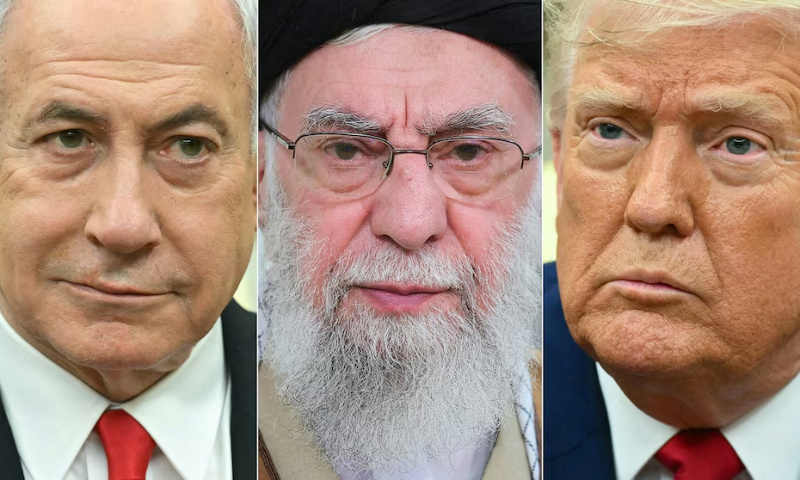
Washington/Jerusalem/Tehran, June 24, 2025: U.S. President Donald Trump announced on Tuesday that Iran and Israel had agreed to a ceasefire following days of heightened conflict and regional escalation. However, within hours of the declaration, reports of fresh missile attacks cast serious doubts over the durability of the truce.
Speaking via his social media platform, Trump stated: “A full ceasefire has been agreed by both Iran and Israel. Hostilities will cease in a phased approach—first Iran, then Israel. Congratulations to everyone!”
Trump credited diplomatic efforts by Qatar and Japan, and claimed his intervention had prevented a full-blown regional war. “This could be the beginning of a new era,” he said.
Despite the announcement, tensions flared almost immediately. Israeli authorities reported multiple missile barrages launched from Iranian territory less than six hours after the supposed ceasefire came into effect. Sirens sounded in southern and northern Israel, including Beersheba, as explosions were reported across several civilian areas.
Israel’s emergency services confirmed at least four fatalities and several injuries. Defense Minister Israel Katz accused Iran of “blatantly violating the ceasefire agreement” and confirmed that the Israel Defense Forces (IDF) had resumed military operations in response.
“We cannot stand by while our civilians are targeted,” Katz said in a televised statement. “Iran has broken the ceasefire, and we are responding with the full force of our capabilities.”
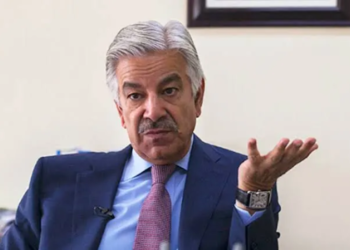
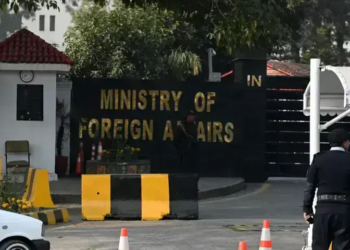
Iran’s Foreign Ministry, however, rejected claims of a formal agreement. Spokesperson Nasser Kanaani stated that no official or written ceasefire had been signed by Tehran and accused Israel of fabricating the deal to deflect global attention from its own military actions.
“These are false claims intended to buy Israel time,” Kanaani said. “We remain committed to defending our sovereignty and our people.”
International reaction to the ceasefire announcement—and its apparent collapse—was mixed. Japan, which reportedly played a mediating role, welcomed the agreement and urged both sides to exercise restraint. Germany and the United Nations also issued cautious statements of hope while calling for an immediate de-escalation.
Qatar, another key player in backchannel diplomacy, said it was “deeply concerned” about reports of renewed hostilities and called for a return to negotiations.
The latest flare-up comes after nearly two weeks of cross-border attacks, cyber warfare, and proxy confrontations. More than 1,000 people have been killed in Iran due to Israeli airstrikes, according to Iranian sources. In Israel, over 30 civilians and military personnel have reportedly died since the hostilities began.
Meanwhile, Gaza continues to suffer heavy bombardment, with local health authorities confirming the deaths of at least 25 Palestinians during an Israeli airstrike on a humanitarian aid queue Monday night.
As both sides exchange blame over the failed ceasefire, analysts warn that the window for diplomacy is rapidly closing. Regional actors, including Turkey and Egypt, have called for an emergency session of the Organization of Islamic Cooperation (OIC) and the United Nations Security Council is expected to convene later this week.
Trump, who remains a key political figure in the U.S. despite no longer holding office, said he would continue his efforts to mediate. However, critics argue that without buy-in from official U.S. or international channels, the ceasefire lacks legitimacy.