Jerusalem, August 1, 2025: Following recent moves by the United Kingdom and France, three more European nations, Portugal, Germany, and Malta, have indicated their readiness to formally recognize Palestine as an independent state, reflecting a growing shift in international sentiment amid intensifying tensions in the Middle East.
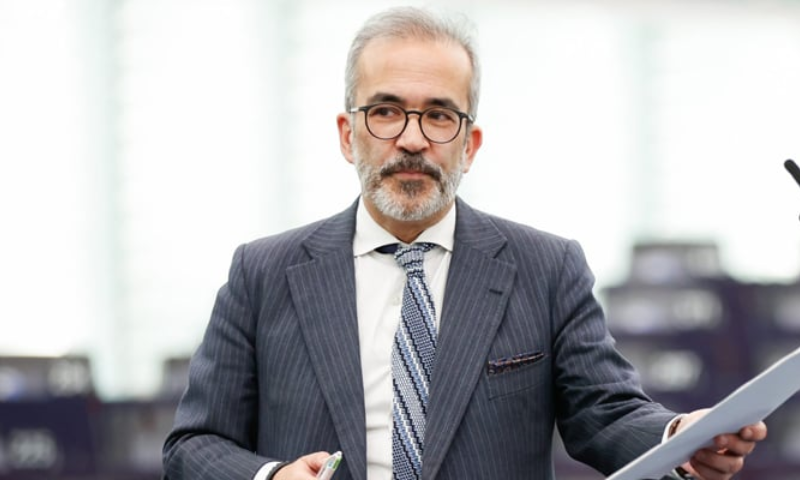
Portuguese Foreign Minister Paulo Rangel said Lisbon is preparing to grant official recognition to Palestine, possibly as early as next month. “Portugal is a sovereign country. We make our foreign policy decisions independently and in line with our values,” he said, noting that the government is closely observing developments in West Asia.
Germany, traditionally cautious on the matter, also hinted at a change in approach. The German Foreign Minister warned that if meaningful progress toward a two-state solution does not resume, Berlin may be forced to reconsider its long-held position and move toward recognizing Palestine.
Malta, while less publicly assertive, has reportedly aligned itself with the emerging European consensus supporting Palestinian statehood.
This diplomatic momentum comes just a day after Canada announced conditional recognition of Palestine during a session at the United Nations General Assembly. Canadian officials said the move is contingent on renewed efforts toward peace and adherence to international law.
France, meanwhile, has taken a leading role in rallying global support. Alongside 14 other countries, France recently co-signed a declaration dubbed the “New York Call”, which urges the international community to extend full recognition to the Palestinian state. The statement was released during a high-level UN conference and marked one of the strongest multilateral endorsements of Palestinian statehood in recent years.
This growing wave of support from key Western nations marks a significant shift in international diplomacy regarding the Israel-Palestine conflict, potentially increasing pressure on Israel and its allies to engage in renewed peace efforts under the long-stalled two-state framework.