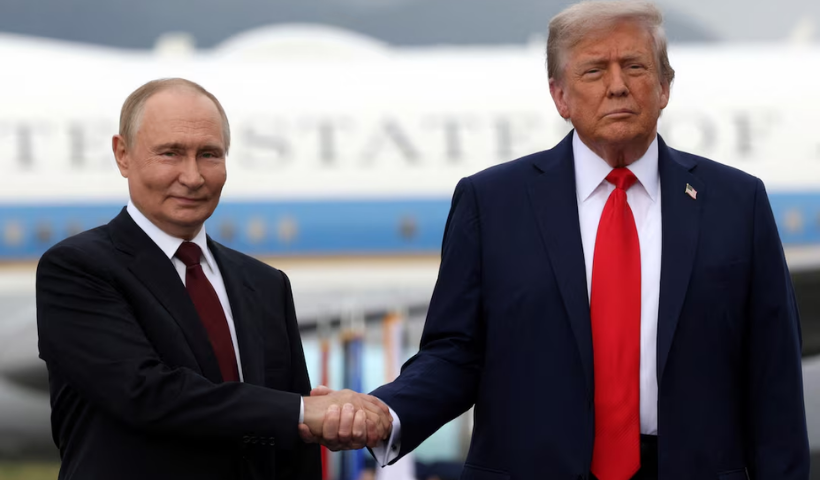
Moscow, September 22, 2025: Russian President Vladimir Putin on Monday offered U.S. President Donald Trump a one-year extension of the last remaining nuclear arms control treaty between the two powers, as both sides weigh the future of their strategic arsenals.
The New START treaty, due to expire on February 5, 2026, currently caps deployed warheads at 1,550 per side. Without renewal or replacement, both nations could exceed those limits, raising fears of a fresh arms race.
Putin described the proposal as being “in the interests of global non-proliferation,” adding that Russia would continue to observe treaty limits for another year, provided Washington does the same.
“Subsequently, based on an analysis of the situation, we will make a decision on whether to maintain these voluntary, self-imposed restrictions,” he told a meeting of Russia’s Security Council.
The offer marks a shift in Moscow’s policy, which had previously tied arms control discussions to broader improvements in U.S.-Russia relations, strained largely over the war in Ukraine. Putin also warned against U.S. efforts to expand missile defences or deploy interceptors in space, calling such moves “destabilising.”
A U.S. State Department spokesperson said Washington had taken note of Putin’s remarks but deferred to the White House.
“The President will decide the path forward on nuclear arms control, which he will clarify on his own timeline,” the spokesperson said.
Trump has expressed interest in negotiating a new agreement, one that could potentially include China, though Beijing has rejected participation.
Arms control advocates welcomed the Russian overture. Daryl Kimball, executive director of the Arms Control Association, called it “a positive and welcome move,” urging Washington to reciprocate.
“Trump and Putin could help reduce the most immediate existential security threat facing the world,” Kimball said.
The move comes as Ukraine presses Washington for harsher sanctions on Moscow and amid growing East-West tensions, described by analysts as the most dangerous since the Cold War.
Senior Russian senator Konstantin Kosachyov said Putin’s offer was a signal to Washington that Russia remained open to dialogue.
“I hope that this signal will be heard and correctly interpreted,” he wrote on Telegram.