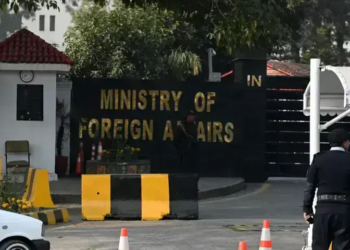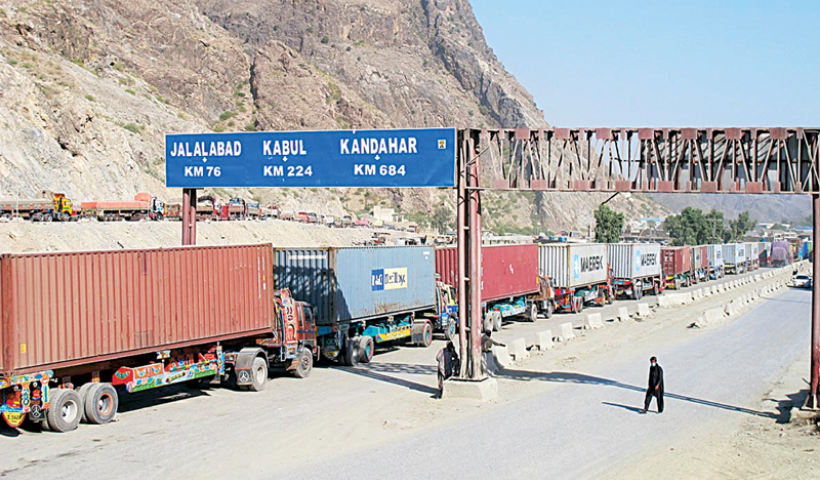
Islamabad, October 20, 2025: The Pakistan-Afghanistan border is expected to reopen within the next 24 to 48 hours, a private news channel reported on Monday, citing official sources, a day after both countries reached a ceasefire agreement aimed at ending cross-border hostilities.
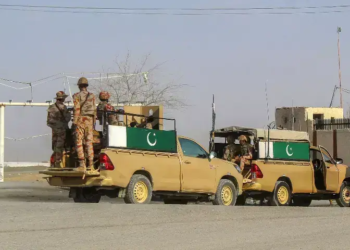
Pakistan had sealed the Torkham and Chaman crossings on October 12 following coordinated attacks by the Afghan Taliban and allied militants on several Pakistan Army posts along the frontier.
Sources said officials from both sides have agreed in principle to reopen the crossings if no further disputes arise.
Fighting erupted overnight between October 11 and 12, when militants launched unprovoked attacks on Pakistani border posts. According to the Inter-Services Public Relations (ISPR), over 200 Taliban and affiliated fighters were killed, while 23 Pakistani soldiers were martyred in the ensuing clashes.
In response, Pakistan carried out precision strikes inside Afghanistan, targeting terrorist hideouts in Kandahar province and Kabul. A temporary 48-hour ceasefire was announced on October 15 at Kabul’s request and extended for another two days on October 17, as delegations from both nations met in Doha, Qatar for talks.
On Sunday, Pakistan and Afghanistan agreed to an immediate ceasefire during Qatar-mediated negotiations.
Defence Minister Khawaja Muhammad Asif confirmed the breakthrough, saying that both sides would meet again on October 25 in Istanbul, Türkiye, to finalise operational details.
Taliban spokesperson Zabihullah Mujahid also acknowledged the agreement, calling it a “complete and meaningful ceasefire.”
In an interview with Al Jazeera Arabic, Khawaja Asif said the Afghan Defence Minister had accepted that terrorism remains the primary cause of tension between the two neighbours.
“The main objective of this ceasefire is the elimination of terrorism,” Asif said, warning that failure to do so could threaten regional peace.
He added that both sides had agreed to form a joint mechanism to curb terrorism and prevent future misunderstandings. Asif expressed optimism that peace and normalisation would soon follow, allowing trade and transit to resume, with Afghanistan regaining access to Pakistani ports.
Residents on both sides of the border expressed relief after days of intense fighting.
“People can breathe and feel relieved,” said Sadiq Shah, a 56-year-old shopkeeper from Baizai, near the Torkham crossing. “Before this, gunfire damaged a few houses in our village.”
He added: “It’s incredible — both sides are Muslim, both are Pashtun. Why fight? Previously, trade passed through here. Now we’re shooting at each other. What country does that?”
According to customs officials in Peshawar, more than 1,500 trucks and containers loaded with cement, medicines, rice, and other essentials remain stranded at Torkham.
Abdul Rahman Habib, spokesperson for the Taliban’s Ministry of Economy, said perishable goods, including fruits and vegetables, were rotting while awaiting export to Pakistan.
“Businessmen are losing money,” he said, warning that if the stalemate persisted, it could lead to price hikes, job losses, and market instability.
“Trade relations should remain separate from political issues,” Habib stressed.