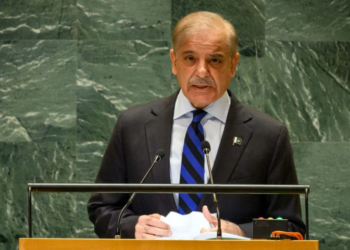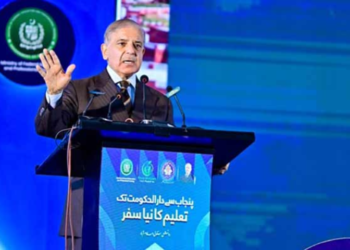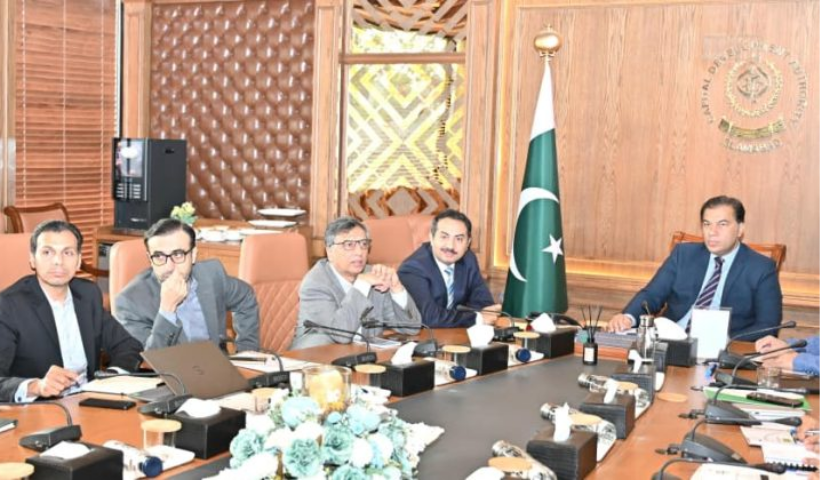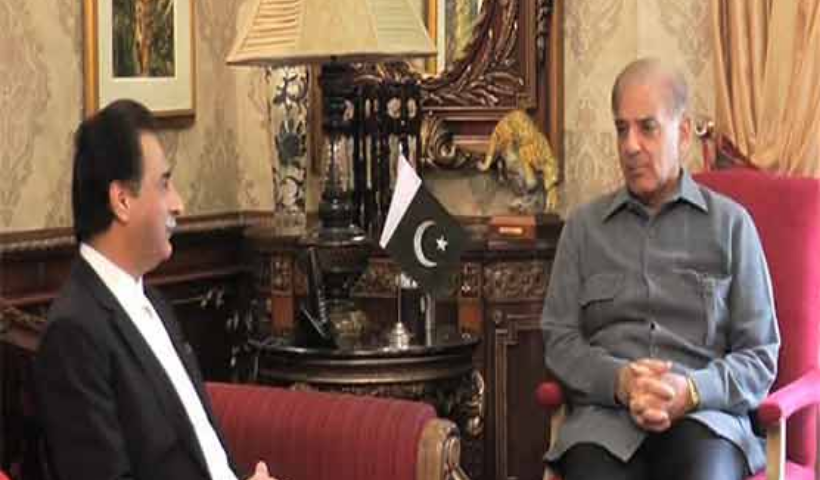
Islamabad, November 5, 2025: Prime Minister Shehbaz Sharif has assigned National Assembly Speaker Ayaz Sadiq the key responsibility of developing consensus among political parties on the proposed 27th Constitutional Amendment, according to media reports citing well-placed sources on Wednesday.
The Pakistan Muslim League-Nawaz (PML-N)-led government is seeking broad political agreement on the amendment package, which aims to establish a Constitutional Court and make adjustments to the National Finance Commission (NFC) Award.
According to PPP Chairman Bilawal Bhutto Zardari, the proposals also include changes to Article 243—which concerns the supreme command of the armed forces—along with other key reforms such as the introduction of executive magistrates, provisions for transfer of judges, and possible revisions to provincial fiscal protections under the NFC framework.
Deputy Prime Minister Senator Ishaq Dar confirmed on Tuesday that the government was in discussions with its principal coalition partner, the Pakistan Peoples Party (PPP), and would also consult other allies including the Muttahida Qaumi Movement–Pakistan (MQM-P), Awami National Party (ANP), and Balochistan Awami Party (BAP) before finalising the draft.
Sources said the National Assembly speaker has convened a meeting of all parliamentary leaders at the Parliament House to deliberate on the amendment’s contours and seek collective approval. Invitations have reportedly been sent to major parties, including the Pakistan Tehreek-e-Insaf (PTI) and Jamiat Ulema-e-Islam-Fazl (JUI-F).
“If consensus is not reached, the government will rely on its own numbers in the National Assembly,” a source said, adding that Sadiq is also expected to hold one-on-one meetings with party leaders ahead of the session.
The ruling party has instructed all its lawmakers and coalition partners to ensure their presence in Islamabad ahead of the key discussions.
According to parliamentary sources, the PML-N-led coalition currently enjoys the backing of 237 members in the National Assembly, where 224 votes are required to pass a constitutional amendment.
The PML-N holds 125 seats, the PPP has 74, while allies include 22 members from MQM-P, five from PML-Q, four from Istehkam-e-Pakistan Party (IPP), and one each from PML-Zia, National Party, and BAP, along with four independents. The opposition commands 89 seats in the lower house.
In the Senate, the ruling alliance holds 61 seats, while the opposition has 35. The government therefore requires support from at least three additional senators, likely from JUI-F or ANP, to secure the necessary two-thirds majority (64 votes) for passage.
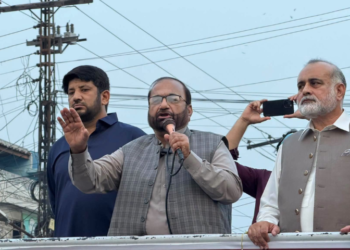
MQM-P Convener Khalid Maqbool Siddiqui told reporters that the 27th Amendment seeks to enhance governance efficiency and strengthen provincial harmony.
“This move will help protect citizens and ensure better justice,” Siddiqui said, urging restraint from political speculation at a critical national juncture.
Dr Farooq Sattar, speaking alongside Siddiqui, said there should be no “surprise or concern” over the proposed amendment. He stressed that empowering local governments was vital for resolving grassroots issues and improving service delivery.
“The 18th Amendment ensured provincial autonomy — now the next step should be local autonomy,” Sattar said, calling for devolution of powers to be embedded in the 27th Amendment.
In a parallel development, Senator Faisal Vawda met JUI-F chief Maulana Fazlur Rehman in Islamabad to discuss the amendment’s clauses.
“We often meet, and I always leave with positivity,” Vawda said, describing their talks as focused on national stability rather than parliamentary arithmetic.
He expressed confidence that the coalition had “more than sufficient numbers” to pass the amendment and clarified that the 18th Amendment was not being rolled back, only reviewed through mutual consultation.
“Article 243 covers not only ground warfare but also cyber and economic defence,” Vawda noted, emphasising the need to strengthen Pakistan’s armed forces. He urged PTI to engage constructively, warning that negative politics would harm the party and the country alike.