Tehran, November 8, 2025: Iran is preparing to impose periodic water cuts across the capital, Tehran, as the country grapples with its worst drought in decades, local officials confirmed on Saturday.
Rainfall in the capital has fallen to its lowest level in a century, while nearly half of Iran’s provinces have gone months without a single drop, officials said. The looming water crisis has prompted authorities to ration supplies in Tehran — a city of over 10 million people — with reports already emerging of dry taps in some districts overnight.
“This measure will help prevent waste even though it may cause temporary inconvenience,” Energy Minister Abbas Ali Abadi said in a televised statement.
In an earlier address, President Masoud Pezeshkian warned that if no rainfall occurs before year-end, parts of Tehran might have to be evacuated — though he did not elaborate on how such a massive relocation could be carried out.
Nestled on the southern slopes of the Alborz Mountains, Tehran typically endures hot, dry summers followed by autumn rains and winter snowfall. But this year, precipitation has been alarmingly scarce.
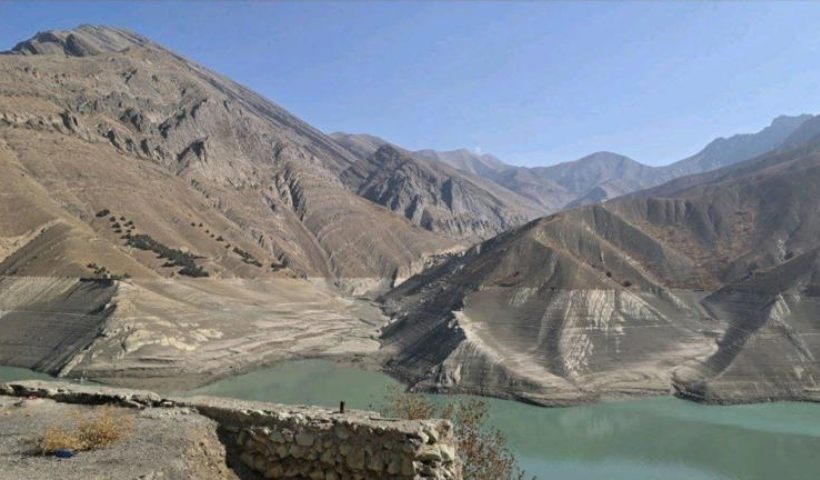
Tehran, Iran’s largest city, consumes roughly three million cubic metres of water daily. However, the Amir Kabir Dam on the Karaj River — one of the five main reservoirs supplying the capital — now holds only 14 million cubic litres, down sharply from 86 million cubic metres at this time last year, according to Behzad Parsa, head of the Tehran Water Company.
The current reserves, he warned, are sufficient to sustain the capital’s supply for less than two weeks.
State television on Saturday also aired footage showing critically low water levels at major dams serving other cities, including Isfahan and Tabriz.
In Mashhad, the country’s second-largest city, officials are considering night-time water cuts to conserve dwindling supplies, IRNA reported.
Earlier this year, authorities declared two public holidays in July and August to curb water and energy use amid a record-breaking summer heatwave that caused frequent power outages.