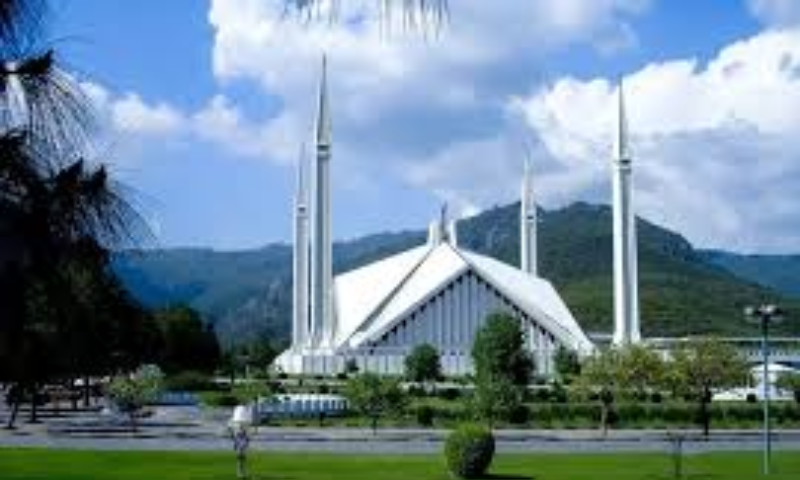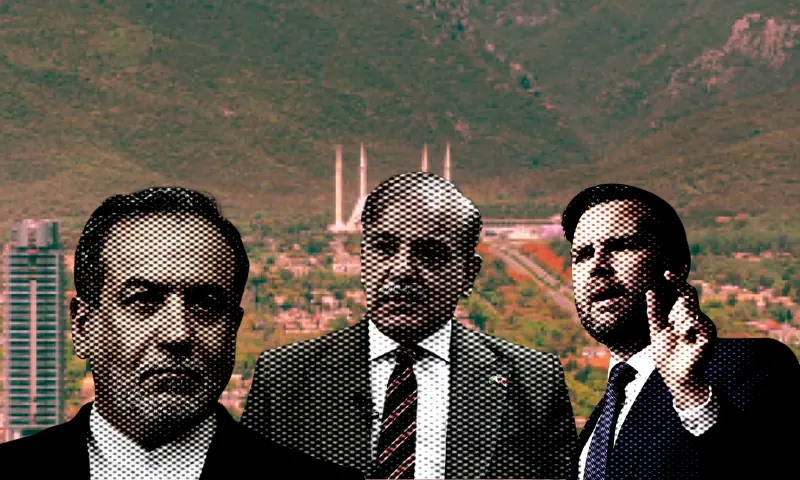
Islamabad, April 10, 2026: Pakistan has emerged at the center of global diplomacy as it hosts critical negotiations between the United States and Iran, aimed at transforming a fragile two-week ceasefire into a lasting peace agreement after weeks of intense conflict across the Middle East.
The talks, which began in Islamabad amid extraordinary security arrangements, follow a breakthrough ceasefire brokered by Pakistan earlier this week—widely described as one of the country’s most significant diplomatic achievements in recent years.
The current diplomatic push comes after nearly six weeks of escalating hostilities involving US and Israeli strikes on Iran, followed by Iranian retaliation, including disruption of the strategically vital Strait of Hormuz—triggering a global energy crisis.
Amid fears of a wider regional war, Pakistan launched intensive backchannel diplomacy involving Washington, Tehran, and key regional capitals. These efforts culminated on April 7 in a two-week ceasefire agreement, creating a narrow window for dialogue.
Talks in Islamabad: key participants and agenda
High-level delegations from both sides have arrived in Islamabad for the negotiations:
- United States delegation led by Vice President JD Vance, accompanied by senior envoys
- Iranian delegation including Foreign Minister Abbas Araghchi and other top officials
- Observers and stakeholders from Gulf countries, including Saudi Arabia and Qatar
The talks are expected to continue for up to two weeks, focusing on a roadmap for a permanent ceasefire and broader regional stability.
Core issues on the table
Key contentious issues include:
- Reopening and security of the Strait of Hormuz
- Iran’s nuclear program and sanctions relief
- Regional conflicts, particularly the situation in Lebanon
- Security guarantees for Gulf states
Iran has reportedly entered negotiations with a 10-point proposal, while the US has maintained firm conditions on nuclear and maritime security issues.
Pakistan’s role: diplomatic breakthrough with risks
Pakistan’s mediation has been widely acknowledged by both sides as instrumental in bringing them to the table. Officials describe Islamabad’s role as that of a “facilitator”, avoiding direct imposition while ensuring dialogue continues.
However, analysts caution that Pakistan faces significant challenges:
- Limited leverage to enforce any agreement
- Risk of derailment due to ongoing regional conflicts
- Conflicting narratives between the US and Iran on key issues
Prime Minister Shehbaz Sharif and military leadership have engaged in intensive diplomacy to sustain momentum, even as the ceasefire remains under strain.
Despite optimism, several factors threaten the success of the Islamabad talks:
- Continued Israeli military activity in Lebanon has already cast doubt on the scope and durability of the truce.
- Disagreements persist over whether the ceasefire includes Lebanon, exposing gaps between US and Iranian positions.
- Decades of hostility and competing strategic interests continue to overshadow negotiations, with both sides accusing each other of unrealistic demands.
The Islamabad negotiations are being closely watched worldwide due to their far-reaching implications:
- Energy markets: Stability in the Strait of Hormuz is crucial for global oil supply
- Regional security: A failure could trigger a wider Middle East war
- Diplomatic precedent: Pakistan’s success could redefine its global diplomatic standing
Experts describe the talks as a “make-or-break moment” that could either pave the way for peace or lead to renewed escalation.
As negotiations begin, cautious optimism prevails. While the ceasefire has opened a diplomatic window, the path to a comprehensive agreement remains complex and uncertain.
Pakistan’s ability to sustain dialogue between two long-standing adversaries will be tested in the coming days, with the outcome likely to shape not only regional stability but also the global geopolitical landscape.