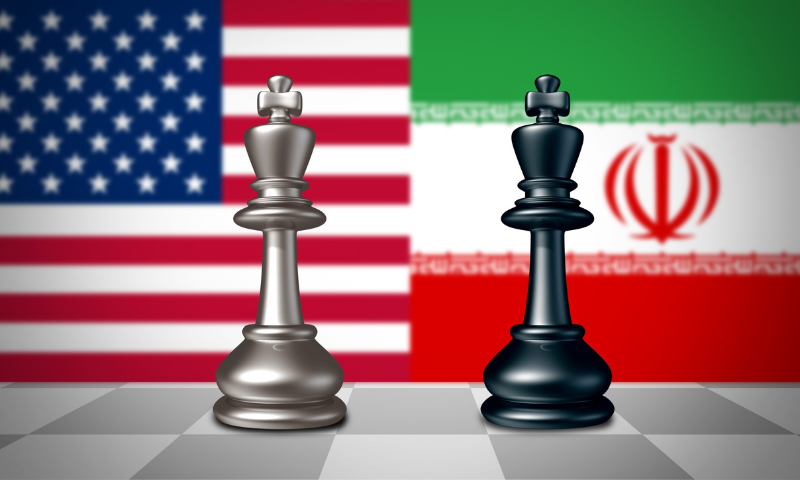
Tehran/Islamabad/Washington, May 14, 2026: Iran is moving closer to implementing a new strategic framework for the management of the Strait of Hormuz, as regional tensions continue to escalate following months of conflict involving the United States, Israel and Iran.
Chairman of the Iranian Parliament’s National Security and Foreign Policy Commission, Ebrahim Azizi, said Wednesday that a strategic proposal on the “smart management” of the Strait of Hormuz had reached its final stage and had been uploaded to parliament’s system for review and approval.
According to Azizi, the proposal seeks to use Iran’s geographical position in the strategic waterway as a “power-generating leverage.” He stated that the framework would grant Iran broader oversight and operational authority in the strait, which carries nearly one-fifth of global oil supplies.
Azizi also claimed that the proposal could pave the way for cooperation with Oman on certain treaty arrangements concerning the strait, while stressing that Muscat would not determine the future status of the waterway.
If approved, the plan would reportedly place the Strait of Hormuz under what Iranian officials describe as the “comprehensive and full control” of Iran’s armed forces and security institutions. The proposal also includes restrictions targeting vessels linked to countries considered hostile to Iran, including Israeli-linked ships and military or intelligence vessels viewed as threats to Iranian national security.
Iranian officials further indicated that the framework could include economic provisions such as the possible use of the Iranian rial in certain financial arrangements related to maritime activity in the region.
Regional tensions intensify
The latest developments come after weeks of heightened confrontation in the Gulf following US and Israeli military strikes against Iran on February 28, which triggered retaliatory attacks by Tehran against Israel and US allies in the Gulf region.
A ceasefire brokered through Pakistani mediation took effect on April 8, but negotiations in Islamabad failed to secure a permanent settlement. US President Donald Trump later extended the truce without specifying a deadline.
Iran recently delivered its response to a US proposal aimed at ending the conflict, though Trump reportedly dismissed Tehran’s position as “totally unacceptable.”
Iran blames US ‘maximalist approach’
Iranian Foreign Minister Abbas Araghchi said the main obstacles to diplomacy remain what he called Washington’s “maximalist demands,” threatening rhetoric and lack of sincerity.
Speaking during a meeting in Tehran with Norway’s Deputy Foreign Minister Andreas Motzfeldt Kravik, Araghchi confirmed that Iran is currently consulting on legal and executive arrangements governing the Strait of Hormuz in accordance with international law.
The Norwegian official emphasized the need for lasting peace and regional stability and expressed Oslo’s willingness to support diplomatic efforts, maritime safety initiatives and environmental protection measures.
Iran also accused the US and Israel of creating the current crisis in the Strait of Hormuz through military attacks, repeated ceasefire violations and continued restrictions on Iranian ports.
Gulf tensions spread
Separately, Iran’s foreign ministry protested the detention of Iranian nationals by Kuwait after they reportedly entered Kuwaiti territorial waters during a maritime patrol due to what Tehran described as a navigation system malfunction.
Meanwhile, Saudi Arabia condemned what it called an “infiltration” by an armed group linked to Iran’s Islamic Revolutionary Guard Corps into Kuwait’s Bubiyan Island, describing it as a violation of Kuwaiti sovereignty.
Iran also held diplomatic consultations with Azerbaijan regarding regional developments and maritime security in the Gulf.
International concerns over global shipping
European governments are increasingly reacting to the deteriorating situation around the Strait of Hormuz. Italy announced plans to reposition two minesweepers closer to the region as a precautionary measure, though Italian officials stressed that no new military mission had been authorised.
Italian Foreign Minister Antonio Tajani and Defence Minister Guido Crosetto said any future military role would require a formal ceasefire, legal framework and parliamentary approval.
Italian officials revealed that around 40 countries are discussing possible contributions to multinational maritime security efforts, with 24 nations already expressing willingness to provide naval or mine-clearance capabilities.
China’s expanding role
A Chinese crude oil tanker was seen transiting through the Strait of Hormuz on Wednesday, according to vessel-tracking reports, highlighting the continued strategic importance of the route despite regional instability.
Iran’s Ambassador to China, Abdolreza Rahmani Fazli, said China had played a key diplomatic role in keeping communication channels open through consultations with regional actors and joint peace initiatives involving Pakistan.
He said the long-term strategic partnership between Iran and China goes beyond trade and investment and reflects Tehran’s broader effort to strengthen its position in an evolving global order.
Trump defends hardline position
President Donald Trump said he does not believe US efforts to end the conflict depend on China’s assistance, insisting that preventing Iran from acquiring a nuclear weapon remains Washington’s top priority.
“I don’t think about Americans’ financial situation. I think about one thing: We cannot let Iran have a nuclear weapon,” Trump told reporters before departing for a visit to China.
The remarks came as rising oil prices and continued disruption around the Strait of Hormuz pushed Brent crude above $107 per barrel, intensifying inflation concerns in the United States ahead of midterm elections.
According to US Central Command, the aircraft carrier USS Abraham Lincoln remains deployed in the Arabian Sea to enforce maritime operations linked to the conflict.
The Pentagon said the total cost of the war has now risen to $29 billion, while recent opinion polls suggest growing public concern in the US over the economic and political consequences of the conflict.