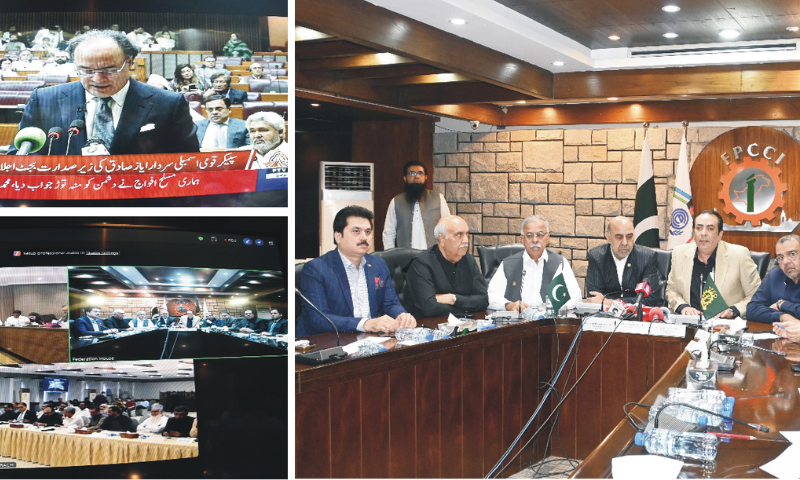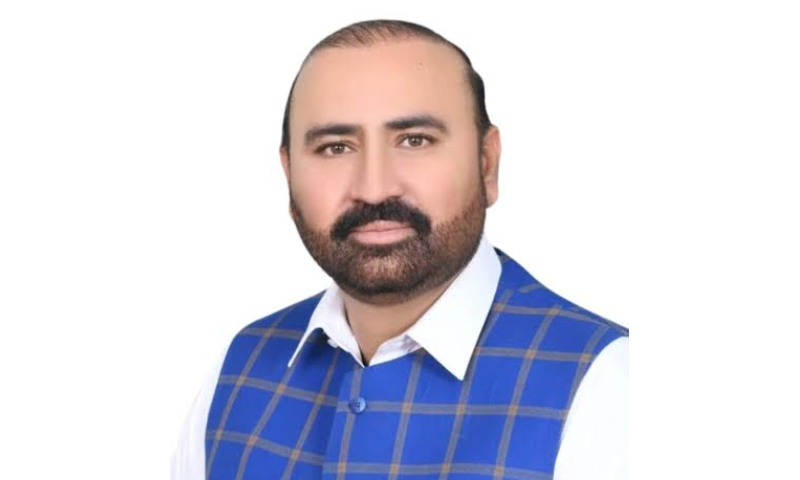
Islamabad, June 12, 2026: President of Markazi Tanzeem-e-Tajran Pakistan, Muhammad Kashif Chaudhry, on Friday strongly criticized the Federal Budget 2026-27, describing it as a “budget of figures” prepared by bankers that fails to provide meaningful relief to the public, traders, farmers, and industrial sectors.
In a statement issued after the presentation of the federal budget, Kashif Chaudhry said the government had failed to introduce practical measures to address key economic challenges, including poverty, unemployment, and inflation. He also lamented the absence of any significant reduction in government expenditures.
Commenting on the proposed increase in salaries and pensions, he said the announced raises were inadequate in the face of prevailing inflation and would offer little real relief to government employees and pensioners.
Questioning the government’s revenue projections, Chaudhry termed the tax collection target unrealistic.
“If the government could not achieve last year’s revenue target of Rs13 trillion, how will it collect an additional Rs2 trillion this year?” he asked.
The traders’ leader also criticized the proposed increase in the petroleum levy, warning that it would place an additional burden on citizens by raising fuel prices and triggering a fresh wave of inflation.
He said higher fuel costs would increase transportation and industrial production expenses, ultimately affecting consumers and further eroding the purchasing power of ordinary citizens.
Expressing concern over the energy sector, Chaudhry noted that despite ongoing discussions regarding reforms and the revision of agreements with Independent Power Producers (IPPs), the budget contained no clear policy or concrete relief measures for electricity consumers.
According to him, households and businesses already struggling with high power and fuel costs had been left without any meaningful support.
Kashif Chaudhry further argued that the budget increases the tax burden on both the public and the business community while failing to provide incentives for industrial expansion and economic growth.
He said the agriculture and export sectors had not received adequate attention, and no substantial support package had been announced for farmers. Similarly, he added, raw materials had not been made more affordable, the tax structure remained complicated, and unnecessary taxes on industries had not been withdrawn.
“Without industrial growth and investment incentives, employment generation will remain a major challenge,” he warned.
The traders’ representative said business activity in markets across the country was already slowing down, while rising inflation had significantly reduced consumer spending.
He claimed that millions of citizens had fallen below the poverty line and questioned how small traders would continue to bear rising costs related to rent, utilities, and business operations.
Chaudhry also criticized the government’s fiscal priorities, arguing that despite collecting large amounts of taxes, public funds continued to be consumed by debt servicing and administrative expenditures rather than being invested in education, healthcare, and public welfare.
Concluding his remarks, he described the Budget 2026-27 as a conventional financial exercise lacking a transformative vision for economic recovery.
“There is little in this budget that offers hope for reviving Pakistan’s struggling economy or addressing the challenges faced by traders, businesses, and ordinary citizens,” he said.