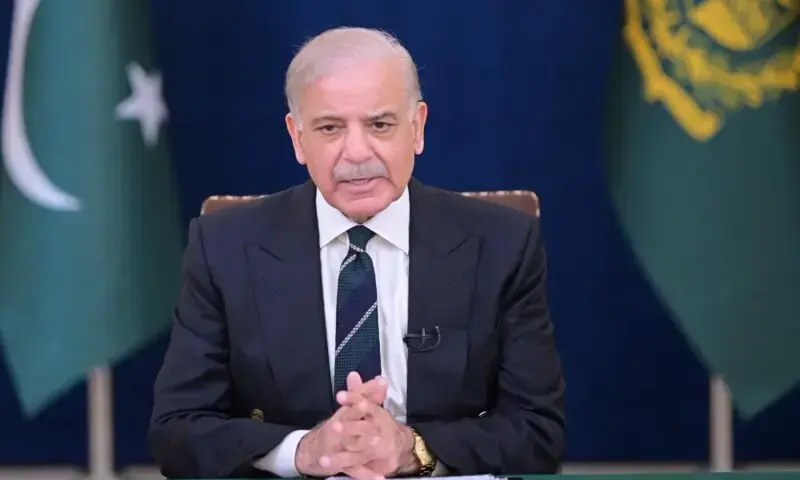
Islamabad, March 13,2026: Prime Minister Shehbaz Sharif on Friday decided that petroleum product prices will not be increased for the time being, despite rising trends in the global oil market.
According to a statement issued by the Prime Minister’s Office, the premier said the decision was taken to reduce the financial burden on the common man. He said that in line with his commitment, the government would continue to provide maximum relief to the public wherever possible. The prime minister noted that the global economy is currently under pressure due to regional tensions, which could have a significant impact on Pakistan’s economy.
However, he said the government was working to manage the situation through timely policy decisions, austerity measures, and financial discipline. Shehbaz Sharif also appreciated the role of provincial governments for supporting the federal government’s austerity drive, saying their cooperation was encouraging.
The premier added that adequate quantities of crude oil were available in the country due to the efforts of Pakistan’s diplomatic and economic teams. He further assured that both federal and provincial governments were working together to ensure no one charges more than the officially notified petroleum prices.
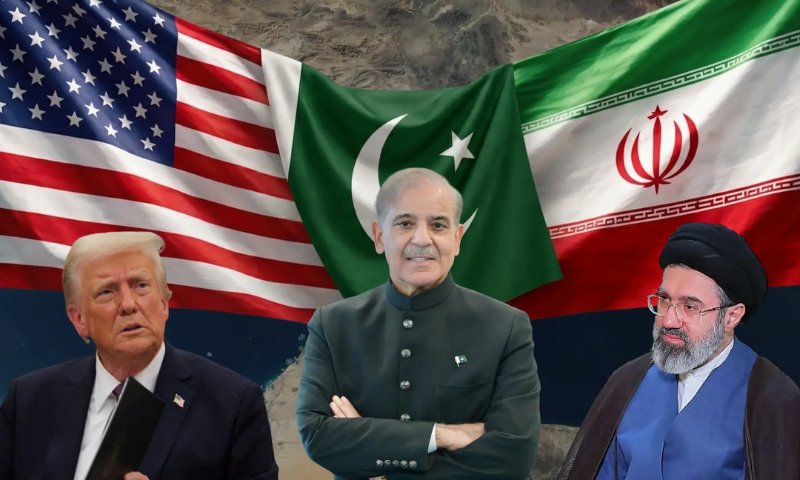
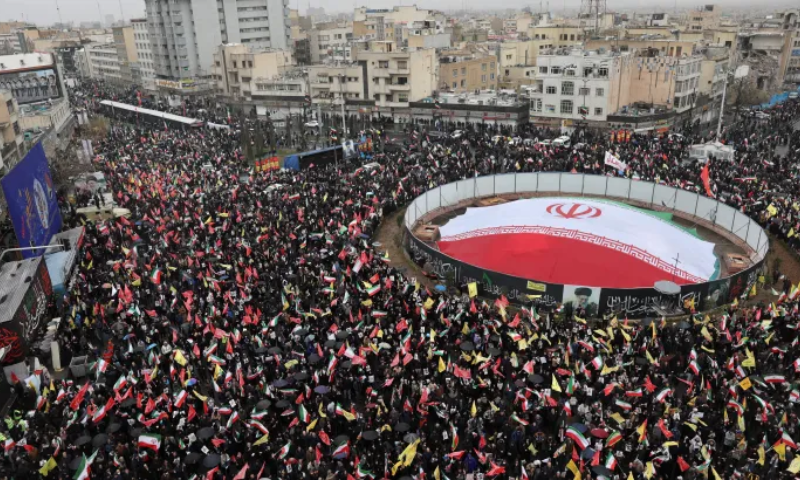
The development comes a week after the government increased petrol and diesel prices amid disruptions in global oil supply following tensions linked to the conflict involving Iran. The government had also introduced a series of austerity measures to cope with the economic impact of the crisis.
The next review of petroleum prices was scheduled for March 15, although officials had earlier indicated the announcement could be brought forward. According to sources, the prime minister had informed a recent consultative meeting attended by federal and provincial representatives, as well as Asim Munir, that after the earlier Rs55 per litre increase, no further price hike would be implemented in the near future regardless of developments in the Middle East.
He reportedly said the government would utilise emergency block allocations to absorb additional price pressures caused by the ongoing regional crisis.