Tehran/Washington, June 22, 2025: Iran has vowed to defend itself with “all force” after the United States launched a series of precision airstrikes on three of its major nuclear facilities, marking a dangerous new escalation in the ongoing conflict between Israel and Iran.
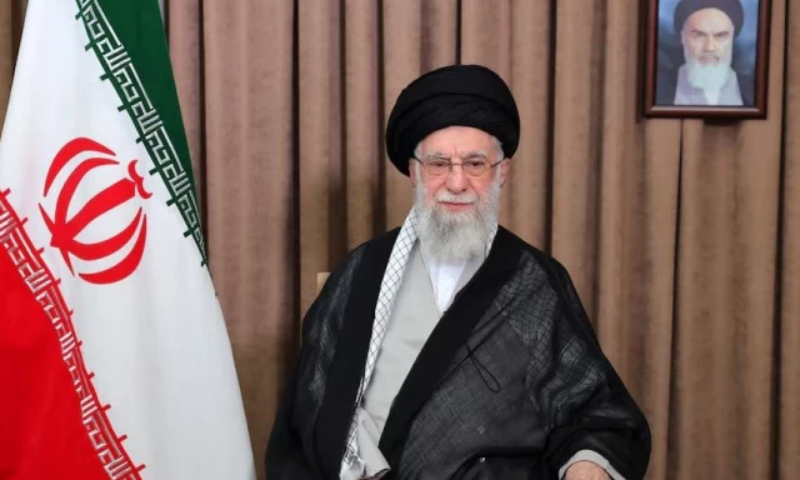
In a strongly worded statement on Sunday, Iran’s Foreign Ministry condemned the U.S. strikes as a “heinous crime” and an “unprecedented breach of international law,” accusing Washington of brutal aggression against what it described as Iran’s peaceful nuclear infrastructure. Tehran held the United States fully responsible for the consequences and called the attack a coordinated war effort alongside Israel.
“This act of aggression has exposed the criminal complicity between the United States and the Zionist regime,” the statement read, further asserting that the attack violated Article 2(4) of the UN Charter and UN Security Council Resolution 2231, which endorsed the 2015 Iran nuclear deal.
President Donald Trump, in a televised address from the White House on June 21, confirmed that U.S. forces had struck Iran’s nuclear sites at Fordow, Natanz, and Isfahan using a combination of bunker-buster bombs and cruise missiles. Flanked by Vice President JD Vance, Defense Secretary Pete Hegseth, and Secretary of State Marco Rubio, Trump declared the mission a success. “Iran’s key nuclear enrichment facilities have been completely and totally obliterated,” he said, warning Tehran of even more devastating attacks unless it agrees to peace.
“The future for Iran holds either peace or tragedy,” Trump said. “If peace does not come quickly, we will go after those other targets with precision, speed, and skill.”
Iran, however, responded defiantly. “The Islamic Republic of Iran is resolved to defend its sovereignty, territory, security, and people by all means,” the Foreign Ministry stated, calling on the UN Secretary-General António Guterres, the Security Council, and the International Atomic Energy Agency (IAEA) to take immediate action. Tehran warned that failure to act would set a dangerous precedent and further erode international legal norms.
Iran’s Foreign Minister Seyed Abbas Araghchi also criticized Western powers for what he called their double standards. “Last week, we were in negotiations with the U.S. when Israel decided to blow up that diplomacy. This week, we held talks with the E3/EU when the U.S. decided to blow up that diplomacy,” Araghchi posted on X (formerly Twitter). He dismissed calls from the EU and the UK for Iran to return to talks, stating, “How can Iran return to something it never left, let alone blew up?”
The International Committee of the Red Cross (ICRC) added to the chorus of concern, warning that “the world cannot absorb limitless war” as military operations intensify across the region. The ICRC urged all parties to uphold international humanitarian law and ensure the protection of civilians and medical personnel. It announced it is scaling up operations in both Iran and Israel but stressed that humanitarian aid alone cannot substitute for political solutions.
The U.S. intervention follows ten days of hostilities between Israel and Iran that began with Israeli airstrikes on Iranian territory on June 13. The new U.S. role has drawn sharp global scrutiny and raised fears of a broader regional or even global conflict.
While President Trump hailed the strikes as a step toward ending “state-sponsored terror,” critics warned that the move risks plunging the Middle East into deeper instability. Iran’s call for a UN emergency session highlights growing international pressure for de-escalation — though prospects for diplomacy appear increasingly bleak.
As Iran signals its readiness to retaliate, the world watches nervously, with global oil markets, shipping lanes, and diplomatic channels on high alert.