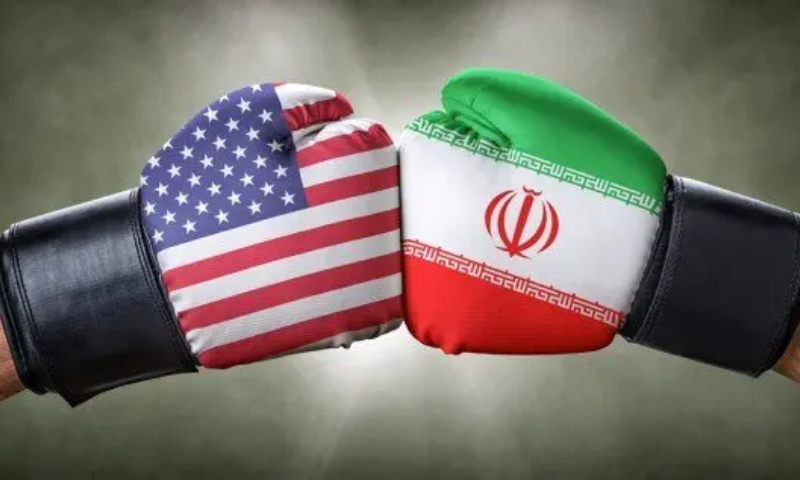
Washington/Tehran, June 2, 2026: The United States and Iran are engaged in ongoing diplomatic discussions over Tehran’s nuclear programme, with US Secretary of State Marco Rubio indicating that negotiations could lead to a phased understanding that may also address the reopening of the Strait of Hormuz, one of the world’s most critical maritime chokepoints.
Testifying before the Senate Foreign Relations Committee, Rubio said the two sides were “in talks” and suggested that Iran had agreed, for the first time in his memory, to negotiate specific aspects of its nuclear programme. He described the potential outcome as a structured, issue-based negotiation process that could evolve into broader arrangements covering nuclear safeguards and maritime security.
Rubio said the United States hoped any progress could contribute to stabilising the Strait of Hormuz, where tensions have disrupted global shipping routes. He stressed that freedom of navigation through international waters was a core demand, adding that vessels should be able to transit “without being fired upon” or subjected to what Washington describes as unlawful interference.
However, he clarified that sanctions relief had not been part of current discussions on reopening the waterway, stating that any easing of restrictions would be strictly conditional on nuclear-related commitments, consistent with the original purpose of the sanctions.
Despite US assertions of ongoing engagement, Iranian media sources cited in local reporting indicated that exchanges between Tehran and Washington had been paused for several days. According to these accounts, Iran is reviewing a proposed draft understanding but has not yet responded formally, reflecting deep mistrust rooted in previous breakdowns of nuclear agreements.
Iranian officials have repeatedly stressed that any arrangement must deliver “real, tangible” benefits and ensure guarantees against future non-compliance by the United States. Tehran has also maintained a firm position that sanctions relief and recognition of its strategic interests in the region are essential components of any lasting agreement.
The Strait of Hormuz continues to be a central point of geopolitical tension, with Iran accused by Washington of restricting maritime movement in the strategic waterway. The US has called such actions “unlawful and illegal,” while Iran has framed its position as part of its broader security posture amid ongoing regional hostilities.
The waterway remains vital for global energy supplies, with a significant share of oil and liquefied natural gas shipments passing through it daily. Even limited disruptions have already triggered volatility in global energy markets, underscoring the economic stakes of the current standoff.
The diplomatic developments come against the backdrop of widening regional conflict involving Iran, Israel, and allied non-state actors.
In Lebanon, fighting between Israeli forces and Hezbollah-linked positions has continued despite a partial ceasefire announcement. Israeli drone and air strikes have reportedly killed multiple people across southern and eastern Lebanon in recent days, including civilian casualties, according to local media. Lebanese authorities say strikes have persisted in violation of de-escalation efforts, while Israel maintains that its operations target militant infrastructure.
Although a limited ceasefire framework was announced, ground and aerial incidents suggest that implementation remains fragile and incomplete, with both sides continuing military activity in contested areas.
Separately, Iran has urged the United Nations Security Council to move beyond expressions of concern and adopt binding punitive measures against Israel. Iranian officials accuse Israel of repeated violations of international law, including attacks on sovereign territory and actions undermining ceasefire efforts in the region.
Tehran has also reaffirmed its support for Palestinian self-determination, calling for the establishment of an independent state based on 1967 borders with East Jerusalem as its capital. Iranian officials argue that long-term peace requires ending what they describe as ongoing occupation and ensuring accountability for violations in occupied territories.
Global oil markets reacted sharply to the evolving geopolitical situation, with prices initially rising on fears of prolonged disruption in the Strait of Hormuz before easing slightly as diplomatic engagement reports emerged.
Analysts say the energy market remains highly sensitive to developments in the Gulf, where even limited escalation can significantly affect global supply chains. The Strait of Hormuz, through which a large portion of global oil exports pass, remains the single most important variable in short-term energy price stability.
While both Washington and Tehran signal continued engagement, major gaps remain over sanctions relief, nuclear verification mechanisms, and regional security guarantees. At the same time, parallel conflicts in Lebanon and broader Middle East tensions continue to complicate diplomatic efforts.
Observers say the situation reflects a dual-track reality: tentative diplomacy on one side and active military escalation on the other, leaving the region in a highly unstable and unpredictable phase where both breakthrough and breakdown remain equally possible.