Tehran, July 18, 2026: Iran launched missile and drone strikes on Saturday targeting United States military-linked facilities in Kuwait, Bahrain and Jordan, marking a significant escalation in the conflict as both Washington and Tehran intensified military operations across the region.
Iran’s Islamic Revolutionary Guard Corps (IRGC) said its forces targeted US military assets, logistics facilities and communication infrastructure, including Camp Arifjan and Al Ahmadi port in Kuwait, Sheikh Isa Air Base in Bahrain and Al-Azraq Air Base in Jordan. The IRGC claimed the attacks damaged military infrastructure and aircraft, although the claims could not be independently verified.
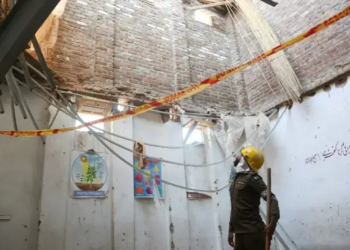
Kuwait confirmed that one of its vital oil sector facilities was hit during the attacks, resulting in injuries and significant material damage. The Kuwait Petroleum Corporation said the affected site was evacuated and emergency response teams were deployed.
Kuwaiti authorities also reported that a power generation and water desalination plant caught fire following the strikes, prompting emergency measures to safeguard electricity supplies. The country’s Fire Force said several firefighters and a worker were injured while responding to the incidents.
Kuwait’s armed forces said its air defence systems intercepted hostile missiles and drones, while Kuwait International Airport temporarily suspended take-off and landing operations. Kuwait Airways announced that most flights had been rescheduled due to the security situation.
In Bahrain, the Bahrain Defence Force said it intercepted and destroyed several Iranian aerial attacks, adding that its forces remained on high alert. Iran, however, claimed it had struck US military assets, fuel storage facilities and communications infrastructure at Sheikh Isa Air Base.
Jordan’s Armed Forces said air defence units intercepted 10 Iranian missiles aimed at the kingdom, reporting no casualties or damage. Iran also claimed to have targeted the US military’s Al-Azraq Air Base and urged Jordan to prevent its territory from being used for attacks against Iran.
The latest strikes followed another night of US military operations targeting Iranian military sites, logistics infrastructure and surveillance facilities. US Central Command said fighter aircraft, drones and naval assets participated in the operations, adding that more than 50,000 US service members remained deployed across the Middle East.
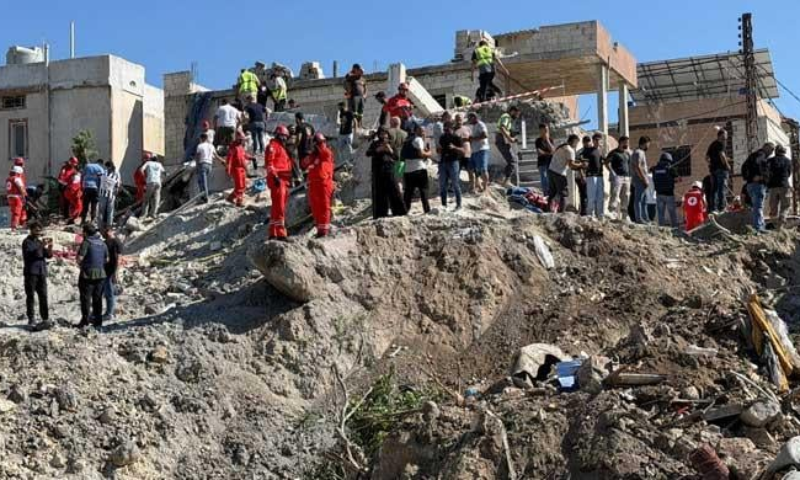
Iranian officials reported civilian casualties and infrastructure damage in Hormozgan Province following recent US strikes. According to Iranian media, attacks on bridges, residential areas and water desalination facilities disrupted drinking water supplies to around 10,000 residents in several villages.
The conflict has also heightened concerns over maritime security in the Strait of Hormuz, a critical global energy corridor. The United States said it continued to enforce a naval blockade, while Iran claimed it had intercepted vessels violating its maritime regulations.
The renewed hostilities pushed global oil prices higher as investors expressed concern over possible disruptions to energy supplies from the Gulf region.
The United Nations expressed concern over the escalating conflict, particularly attacks affecting civilian infrastructure across the region. UN Secretary-General António Guterres called for restraint amid growing fears of a wider regional confrontation.
Iran’s Revolutionary Guard warned countries hosting US military forces to prepare for a “corresponding response,” while Washington renewed its travel advisory for the Middle East, citing the risk of further escalation and urging US citizens to reconsider travel to the region.
The exchange of attacks comes one week after the collapse of the Islamabad Memorandum of Understanding (MoU), raising fears that the conflict could escalate into a broader regional war.